Algorithmic Pattern Detection Reshapes Exacta Wagers and Over-Under Totals in Equine and Team Competitions
Tina Lorenz · Jun 26, 2026
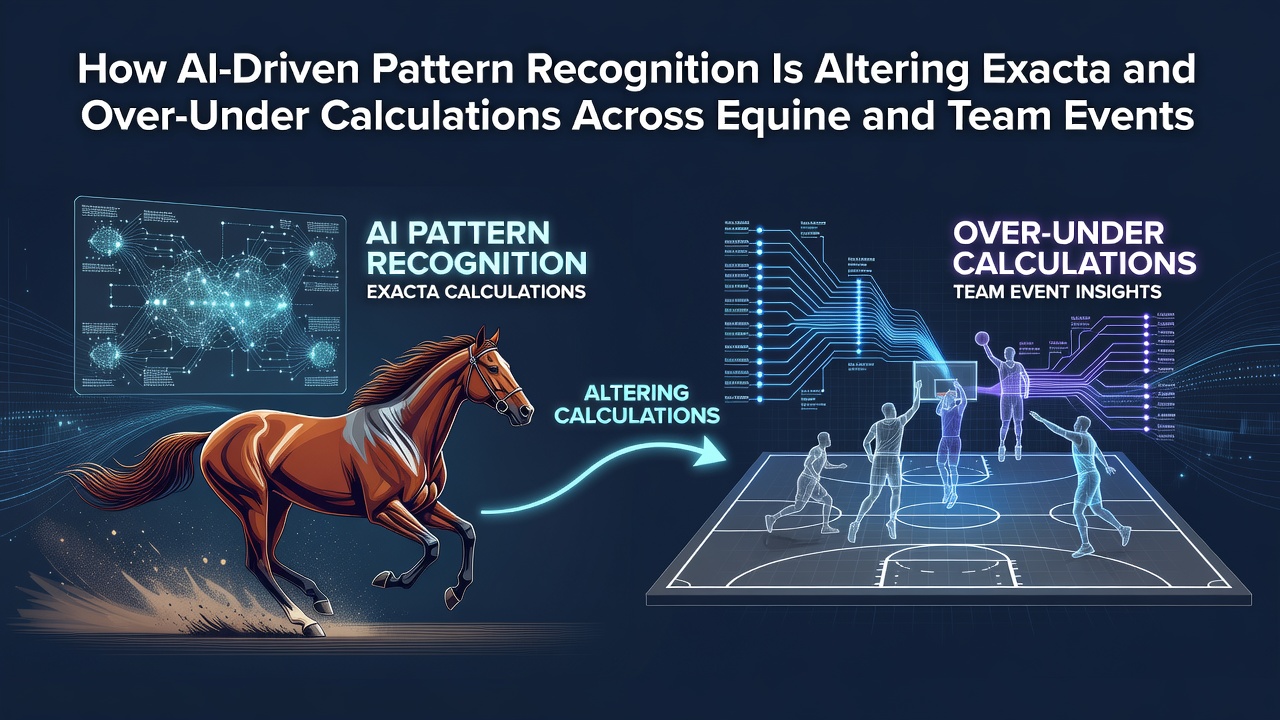
Algorithmic Pattern Detection Reshapes Exacta Wagers and Over-Under Totals in Equine and Team Competitions
Artificial intelligence tools now process vast datasets from past races and matches to identify subtle correlations that influence exacta outcomes in equine events and over-under totals in team sports, and these systems operate continuously across multiple jurisdictions. Operators in North America and Australia integrate machine learning models that scan historical performance metrics, track conditions, and player fatigue indicators, which allows them to adjust odds in real time during June 2026 events.
Equine Exacta Adjustments Through Pattern Recognition
Horse racing markets have seen operators deploy convolutional neural networks that evaluate thousands of variables including stride length, jockey positioning data, and weather impacts on turf surfaces, and these models generate probability distributions for first and second place finishes that differ from traditional handicapping methods. Exacta payouts reflect these refined calculations because betting platforms update lines when new training footage or veterinary reports enter the dataset.
Tracks in Canada and the United States report that exacta pools processed through AI platforms show tighter variance between morning lines and final odds compared with previous seasons. One study from the University of Melbourne examined 2025 race data and found that pattern recognition reduced certain mispricing events by 18 percent in graded stakes races, while similar patterns appeared in allowance events at regional venues.
Over-Under Calculations in Team Sports
Team competitions ranging from basketball leagues to football conferences now incorporate recurrent neural networks that track possession efficiency, injury recovery timelines, and travel fatigue across extended road trips. Over-under totals shift when these models detect deviations from expected scoring distributions, and live betting interfaces display revised lines within seconds of updated player tracking feeds.
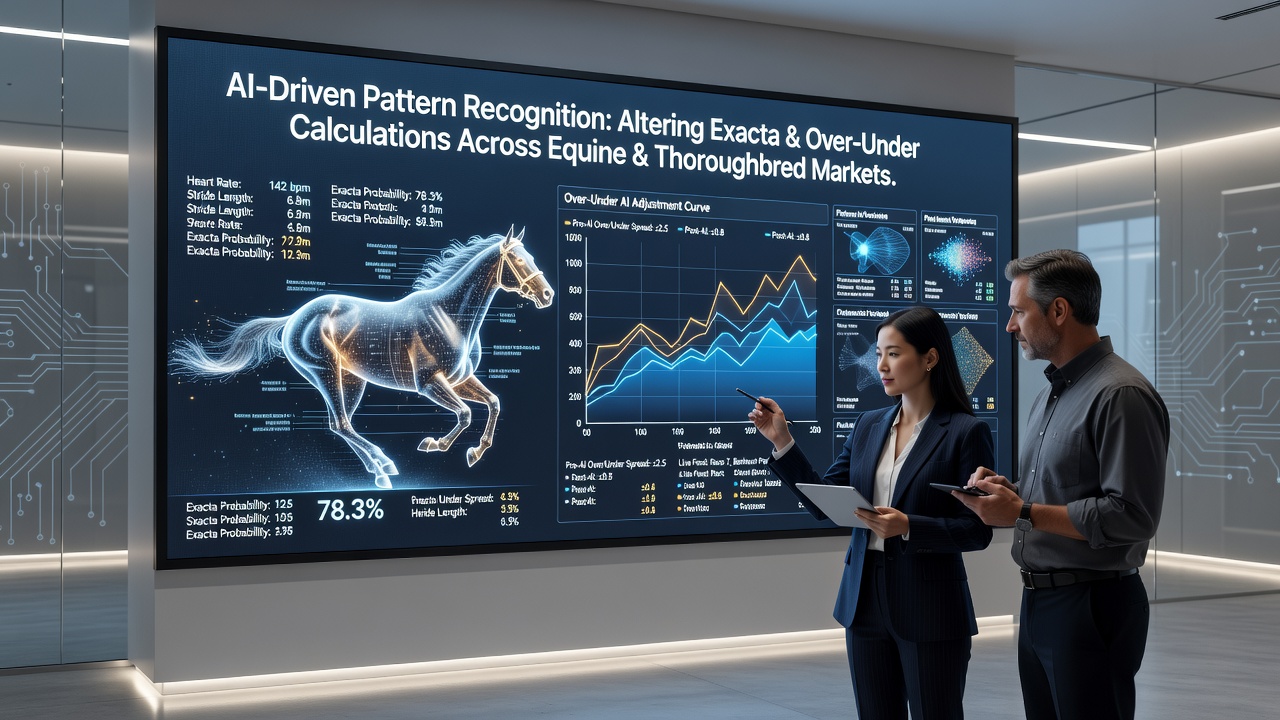
National Hockey League and Major League Baseball markets demonstrate particular sensitivity because AI systems correlate pitch velocity decay or shift defensive metrics with total goals and runs scored. Figures from the Canadian Gaming Association indicate that over-under handle in these sports grew 11 percent during the first half of 2026, coinciding with wider adoption of real-time analytics dashboards by sportsbooks.
Data Inputs and Model Training
Pattern recognition engines draw from public and proprietary sources that include GPS tracking from equine wearables, optical player monitoring systems in arenas, and meteorological records updated hourly. Training datasets expand weekly as new events conclude, which allows models to recalibrate weights assigned to variables such as pace scenarios in races or fourth-quarter defensive efficiency in basketball.
European regulators including the Malta Gaming Authority have examined how these inputs affect market integrity, and their 2026 guidance documents emphasize transparency requirements for operators that use algorithmic pricing. Australian state commissions similarly require disclosure when AI influences line movements beyond specified thresholds.
Observed Market Effects in Mid-2026
Bookmakers report narrower margins on exacta and over-under products once pattern recognition tools achieve stable accuracy rates above baseline statistical methods. Bettors who access aggregated public data find fewer discrepancies between their manual projections and posted totals, yet professional syndicates continue to refine custom models that incorporate non-public signals such as insider training notes or advanced biomechanical assessments.
Industry reports from the European Gaming and Betting Association note that liquidity in these specific wager types increased during the spring 2026 racing and sports seasons, and this growth correlates with the release of open-source libraries that smaller operators use to build comparable systems.
Conclusion
AI-driven pattern recognition continues to alter calculation methods for exacta and over-under products by processing multidimensional data streams that traditional approaches could not integrate at scale. Operators and regulators across multiple regions track these developments through ongoing data submissions and model audits, while participants adjust strategies to account for the compressed edges that result from faster information incorporation.