Analytical Report Details Tournament-Driven Changes in Online Betting Behaviors
David Russell · Jul 10, 2026
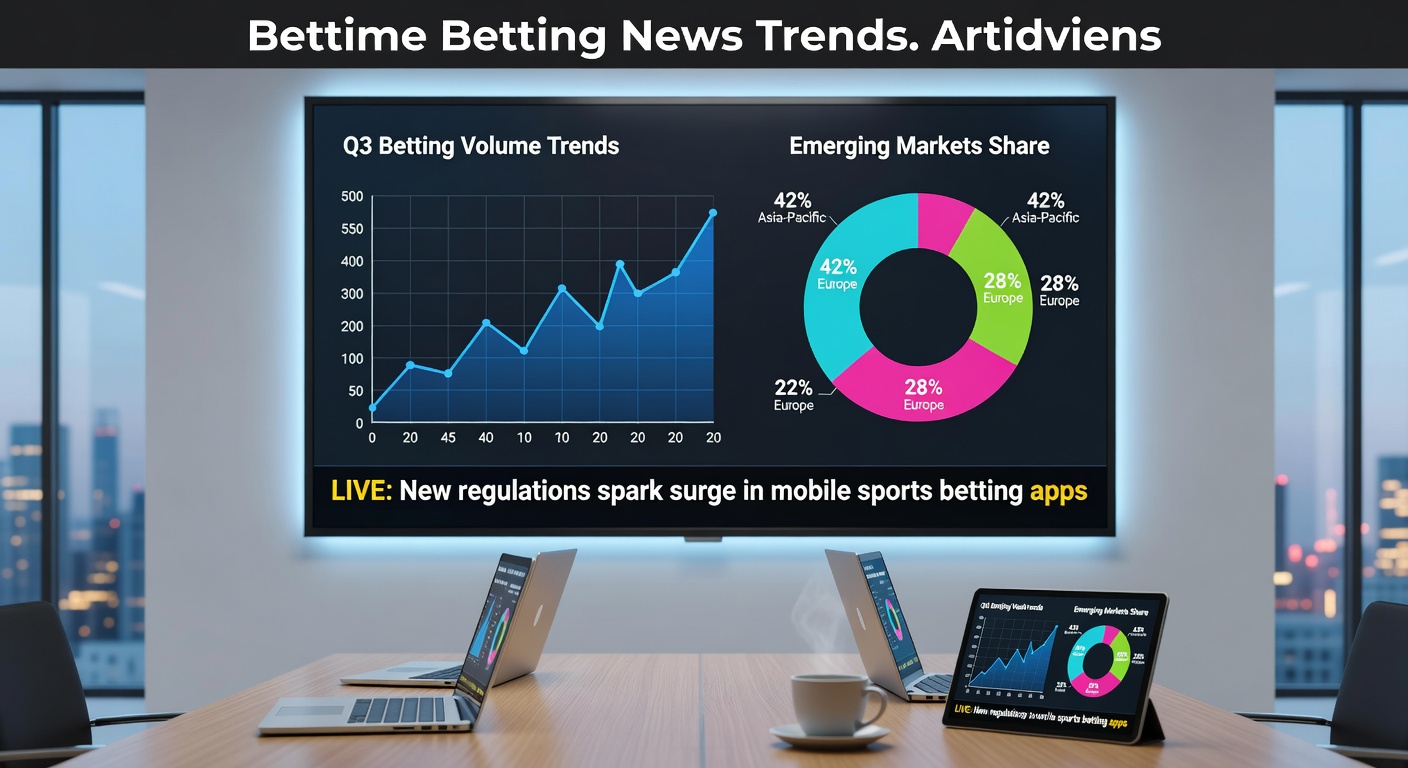
Analytical Report Details Tournament-Driven Changes in Online Betting Behaviors
Slotegrator released an analytical article that examines how major international sporting events influence betting site operations through measurable shifts in user engagement and wagering patterns, and the report draws on data from events including the FIFA World Cup, UEFA Euros, Copa América, Olympics, Super Bowl, and various esports tournaments to outline these dynamics.
According to the analysis, these competitions consistently produce spikes in first-time deposits, or FTDs, alongside transitions toward live and in-play betting options, greater adoption of Bet Builder tools and prop bets, along with adjustments in average bet sizes and overall player retention rates. The findings cover historical instances such as the 50 percent FTD increase observed during the 2022 World Cup and an 887 percent surge recorded in Germany amid the 2024 Euros, while also projecting wagering volumes exceeding 50 billion dollars for the expanded 48-team format of the 2026 FIFA World Cup.
Key Patterns Identified Across Global Events
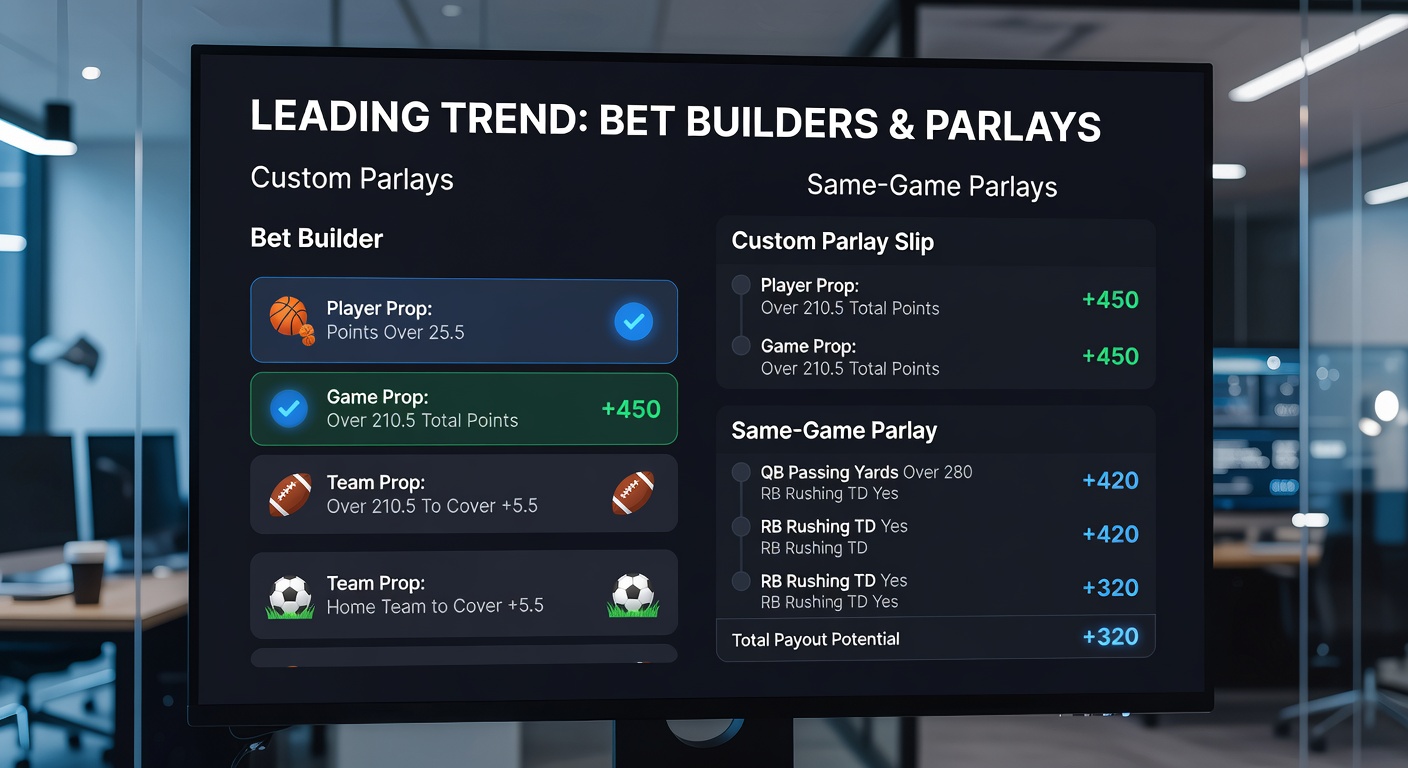
Observers note that tournament schedules create predictable windows where new users enter betting platforms at accelerated rates, and the report highlights how these influxes coincide with broader behavioral adjustments once events begin. Live and in-play betting sees heightened activity because real-time developments allow participants to place wagers during matches rather than solely before they start, while Bet Builder features enable customized combinations of outcomes that appeal during high-stakes periods. Prop bets, which focus on specific player or team performances, similarly gain traction as viewers follow detailed statistics throughout competitions.
Data from past cycles shows that bet sizes often fluctuate, with some periods reflecting larger individual wagers and others indicating more frequent smaller placements, and retention metrics improve when operators align promotions with event timelines. These patterns appear across football tournaments, Olympic coverage, American football's Super Bowl, and growing esports calendars, suggesting the effects stem from the concentrated attention these events command rather than any single sport.
Regional Variations and Historical Data Points
The analysis breaks down examples by market, including the 2022 World Cup period when FTD volumes rose by half compared to baseline periods, and the 2024 Euros where Germany experienced an 887 percent jump in the same metric. Such figures illustrate how localized interest amplifies platform activity, particularly when national teams advance deep into brackets. Copa América and Olympic cycles produce comparable though sometimes less pronounced movements, while Super Bowl weekends and major esports finals demonstrate similar live-betting upticks on a shorter timeframe.
Projections within the report extend these observations forward to the 2026 FIFA World Cup, where the expanded 48-team structure is expected to generate over 50 billion dollars in total wagers across participating platforms. The piece connects these anticipated volumes to the need for operators to prepare infrastructure and promotional calendars well in advance of the tournament schedule.
Operational Recommendations for Upcoming Cycles
Slotegrator's report advises operators to refine marketing approaches, personalization engines, and responsible gaming measures ahead of events such as the LA28 Olympics. Marketing strategies include targeted campaigns timed to qualification rounds and group stage draws, while personalization involves tailoring Bet Builder suggestions and prop bet options based on individual user histories. Responsible gaming elements receive emphasis through deposit limit reminders and session tracking tools that activate during peak tournament windows.
Those who have reviewed the analysis point out that combining these elements can help platforms manage the volume surges without compromising compliance frameworks, and the report positions such preparations as standard practice for any operator active in regulated markets. The 2026 World Cup timeline and subsequent LA28 Games provide concrete benchmarks for testing updated systems.
Implications for Platform Development
Further sections of the article explore how shifts toward in-play and customizable betting formats require backend enhancements in odds compilation and user interface design. Operators benefit from monitoring retention curves during live events to identify which features sustain engagement beyond initial deposits, and the data indicates that successful personalization correlates with longer session durations across multiple competitions. The report stops short of prescribing exact technical implementations yet supplies the event-linked benchmarks needed for internal planning.
Conclusion
The Slotegrator analysis consolidates observable trends from multiple tournament cycles into a single reference for industry stakeholders, and it supplies concrete historical percentages alongside forward-looking volume estimates. By linking FTD growth, live betting preferences, and tool adoption rates to specific global events, the report offers a factual basis for operational adjustments ahead of the 2026 World Cup and LA28. Operators and analysts can reference these documented patterns when evaluating platform performance across future high-profile competitions.