Architectural Influences on Scoring Patterns in Enclosed Athletic Venues
David Russell · Jun 10, 2026
Architectural Influences on Scoring Patterns in Enclosed Athletic Venues
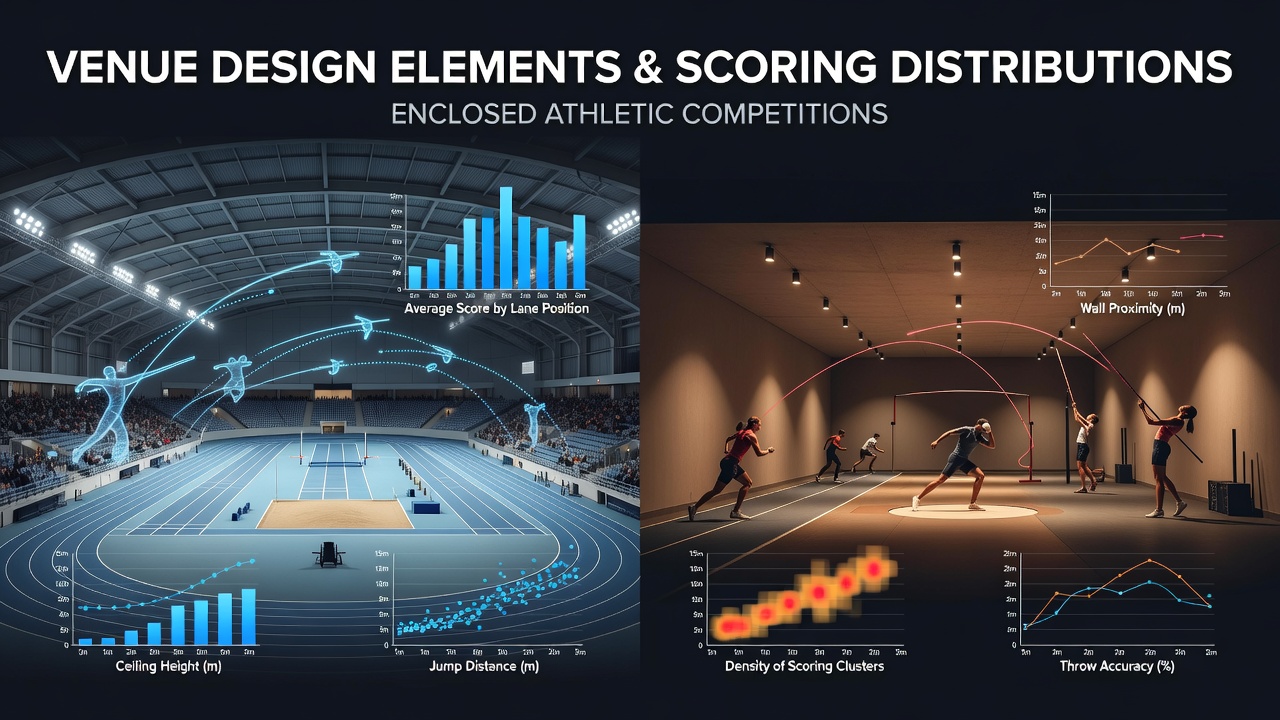
Venue design plays a measurable role in how points accumulate during indoor competitions, and researchers have tracked these effects across multiple sports for decades. Elements such as ceiling height, lighting placement, surface materials, and air circulation create consistent variations in scoring distributions when athletes compete inside controlled environments. Data collected from professional leagues shows that arenas with higher ceilings and specific lighting angles tend to produce elevated three-point percentages in basketball, while tighter spaces correlate with higher goal totals in hockey.
Lighting Configurations and Visual Processing
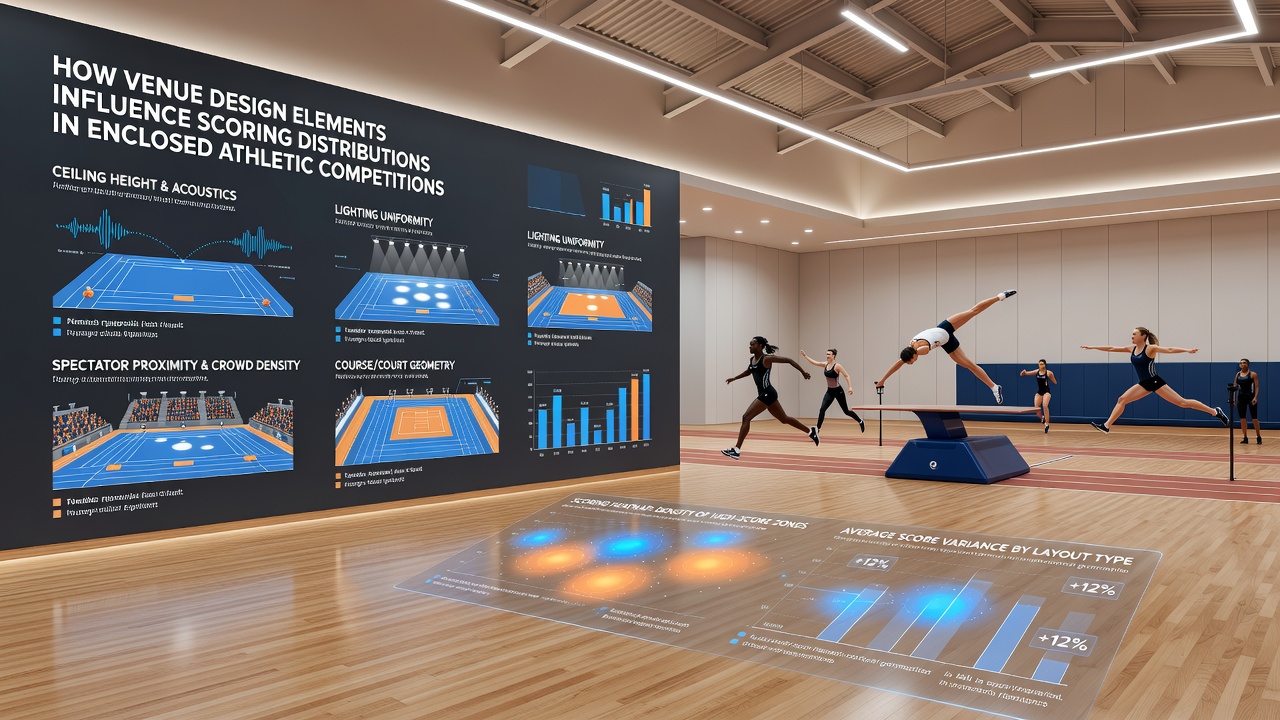
Lighting systems influence reaction times and shot accuracy because players must track fast-moving objects under artificial conditions that differ from outdoor daylight. Studies conducted at universities in North America reveal that fixtures positioned at certain angles reduce glare on glossy floors, which allows shooters to maintain better visual focus during critical moments. In contrast, venues with older overhead arrays often record lower field goal percentages in the final minutes of games when fatigue combines with uneven illumination. Observers note that modern LED retrofits completed before the 2025 season produced measurable upticks in scoring at several NBA facilities, particularly in games extending past regulation.
Ceiling Height and Spatial Dynamics
Ceiling clearance directly shapes offensive strategies because it limits or enables certain trajectories. Arenas built with clearances exceeding 40 feet above the court surface allow higher-arcing shots that defenders struggle to contest, and statistical reviews from the 2024-2025 season indicate these venues posted above-average three-point volumes. Lower ceilings force flatter trajectories that increase the likelihood of blocked attempts and turnovers, which in turn depresses total points. European basketball leagues have documented similar patterns in older facilities where roof structures sit closer to the playing surface, resulting in reduced perimeter scoring compared with newer constructions that prioritize vertical space.
Acoustic Properties and Communication Patterns
Sound reflection inside enclosed spaces affects how teams coordinate on the floor or ice. Hard surfaces amplify crowd noise, which can mask verbal signals and force players to rely more on visual cues. Research from institutions in Australia demonstrates that venues with extensive acoustic treatments reduce echo, allowing clearer communication that supports faster defensive rotations and fewer miscommunications. Those acoustic adjustments have been linked to slight declines in turnovers during high-stakes periods, whereas untreated halls show elevated error rates that suppress overall scoring. The effect becomes especially pronounced during June playoff runs when attendance peaks and ambient noise reaches its highest levels.
Surface Materials and Movement Efficiency
Flooring composition alters friction and bounce characteristics, which directly impacts dribbling speed and shot consistency. Maple hardwood remains standard in North American basketball, yet variations in finish and subfloor construction produce different rebound heights that skilled players exploit. Data compiled by sports engineering groups shows that venues with slightly softer underlayments record modestly higher assist totals because passes stay lower and travel more predictably. In volleyball, specialized sprung floors reduce impact forces and enable longer rallies, increasing total points per set compared with older rigid surfaces still found in some collegiate facilities.
Air Quality and Temperature Controls
Climate systems maintain consistent conditions that prevent external weather from interfering, yet small differences in humidity and temperature still register in performance metrics. Facilities operating at 68-72 degrees Fahrenheit with moderate humidity levels support sustained player output, while drier environments accelerate dehydration and reduce shooting accuracy in later quarters. Canadian research facilities tracking elite indoor hockey have connected optimized ventilation rates to fewer missed passes during extended shifts, and similar findings appear in reports from the International Olympic Committee on multi-sport indoor centers. These controlled variables create stable baselines that make scoring distributions more predictable across repeated events at the same site.
Seating Layout and Crowd Proximity Effects
The arrangement of seats relative to the playing area influences psychological pressure on athletes, and proximity can alter risk-taking behavior during critical plays. Closer seating banks create intense auditory feedback that some teams channel into higher-energy offense, while distant configurations produce more measured pacing. Longitudinal data from major indoor leagues shows that arenas with steep bowl designs often generate elevated scoring in home games during the first half, after which fatigue patterns normalize results. Renovations that brought fans closer to the action in several U.S. venues coincided with increased fourth-quarter point totals beginning in early 2026.
Conclusion
Collectively these design factors establish distinct scoring environments that persist across seasons and competitions. Facility operators continue to adjust lighting, surfaces, and climate systems based on performance data gathered from ongoing seasons, and governing bodies reference these findings when approving new construction standards. The patterns remain measurable because enclosed venues eliminate many external variables, leaving architectural choices as primary drivers of how points distribute throughout games.