Bet Builders Positioned as Core Revenue Driver for 2026 Sports Betting Expansion
Tina Lorenz · Jun 3, 2026

Bet Builders Positioned as Core Revenue Driver for 2026 Sports Betting Expansion
The expanded 48-team FIFA World Cup scheduled for June and July 2026 across venues in the United States, Canada, and Mexico stands to accelerate adoption of bet builders as operators prepare for heightened wagering volume. Industry data compiled by Kambi indicates these tools, which allow users to combine multiple selections within a single event or across related markets, already account for more than half of revenue at major U.S. operators while representing roughly one-third of total bets placed.
Defining Bet Builders and Their Market Role
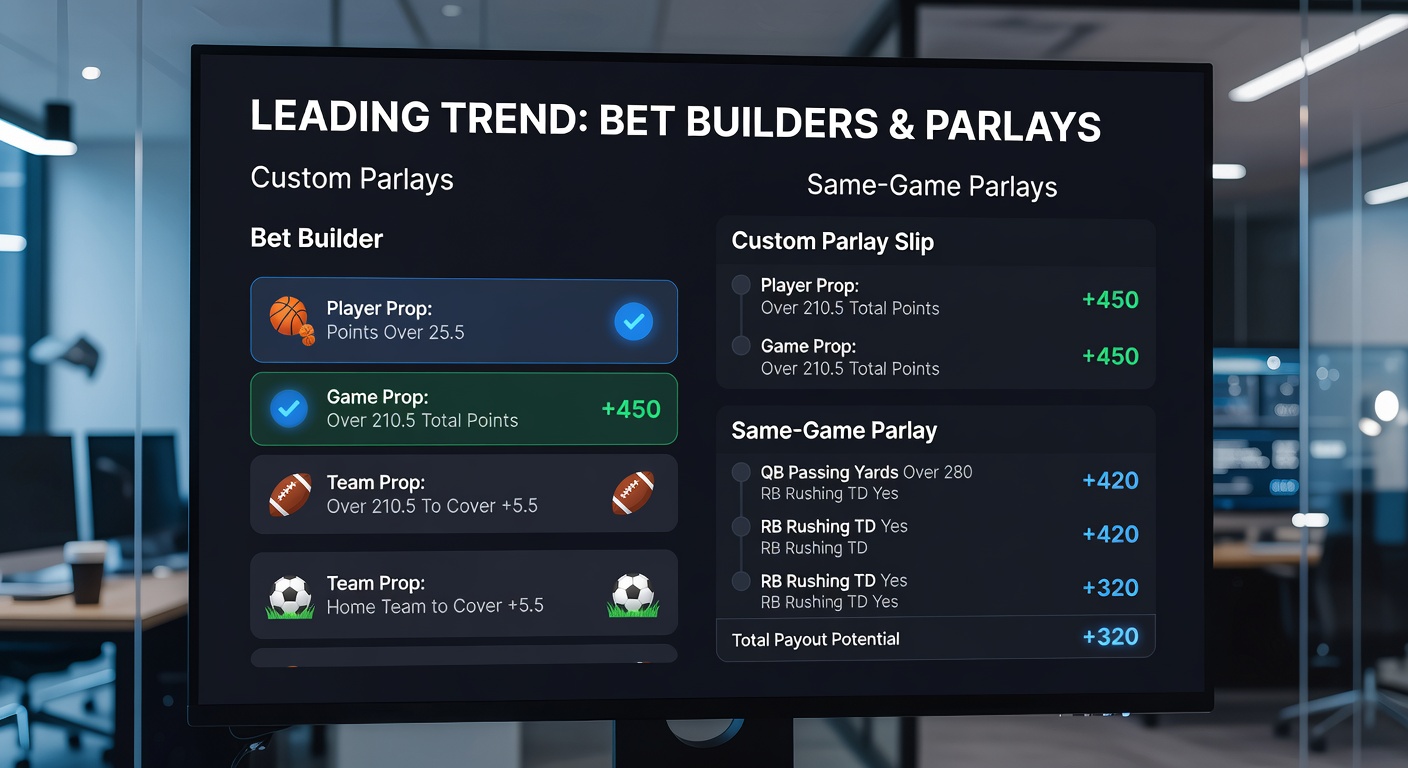
Bet builders enable creation of customized parlays by linking correlated outcomes such as player performance statistics, team totals, and in-game events within the same fixture. Same-game parlays extend this functionality by permitting multiple wagers on a single match without requiring selections from separate contests. These features moved from experimental add-ons to standard offerings after regulatory approvals expanded across U.S. states beginning in 2018.
Operators report that bet builders generate elevated hold percentages compared with traditional single bets because the combinations incorporate built-in margins across several legs. Data from the 2022 and 2023 World Cup cycles demonstrated measurable spikes in builder usage during high-profile international tournaments, prompting platforms to refine algorithms that suggest popular combinations and adjust odds in real time.
World Cup Expansion Creates New Demand Drivers
The shift from 32 to 48 participating nations increases the number of matches from 64 to 104, extending the tournament calendar and creating additional fixtures that lend themselves to granular betting markets. Expanded group stages and new qualification pathways introduce more variables around team form, travel logistics, and squad depth, all of which feed into bet-builder interfaces.
Analysts tracking U.S. sportsbooks note that international soccer events historically produce the highest builder engagement rates among available sports. With three host countries and matches distributed across multiple time zones, operators anticipate sustained daily volume that favors products allowing rapid customization rather than static pre-built parlays.
Revenue Concentration and Operational Shifts
Current figures show bet builders contributing over 50 percent of gross gaming revenue at several large U.S. operators even though they constitute approximately one-third of handle. This imbalance stems from higher average stake sizes and the compounding effect of multiple selections within single tickets. Industry observers point to this metric as evidence that builders have transitioned from niche feature to primary revenue engine ahead of the 2026 tournament.
Merger and acquisition activity among technology providers has accelerated in response, with several platforms integrating advanced builder engines that incorporate live odds updates and correlation modeling. Regulatory scrutiny around responsible gambling features has also intensified, requiring operators to display clear risk indicators when users construct multi-leg bets that exceed certain probability thresholds.
Integrity Considerations Amid Growth
Expanded tournament scale raises integrity questions because more matches and participants create additional surfaces for potential manipulation attempts. Monitoring organizations have begun collaborating with betting technology suppliers to embed anomaly detection directly into builder interfaces, flagging unusual correlation patterns before wagers are accepted.
State gaming commissions continue to evaluate whether existing integrity frameworks remain adequate when a single event can generate thousands of unique bet-builder combinations. Early discussions in regulatory filings suggest forthcoming guidelines may require enhanced data-sharing protocols between operators and tournament organizers during the 2026 cycle.
Conclusion
Bet builders have evolved into a structural component of the sports betting ecosystem, and the 2026 World Cup expansion supplies a concrete catalyst for further integration across operator platforms. Revenue data already demonstrates their outsized contribution, while regulatory and integrity developments will shape how these tools scale through the tournament period and beyond. The coming months will reveal how operators balance product innovation with compliance requirements as the largest field in World Cup history approaches.