Cross-League Schedule Alignments and Their Effects on Multi-Bet Accumulator Opportunities
Jakob Sullivan · Jun 7, 2026
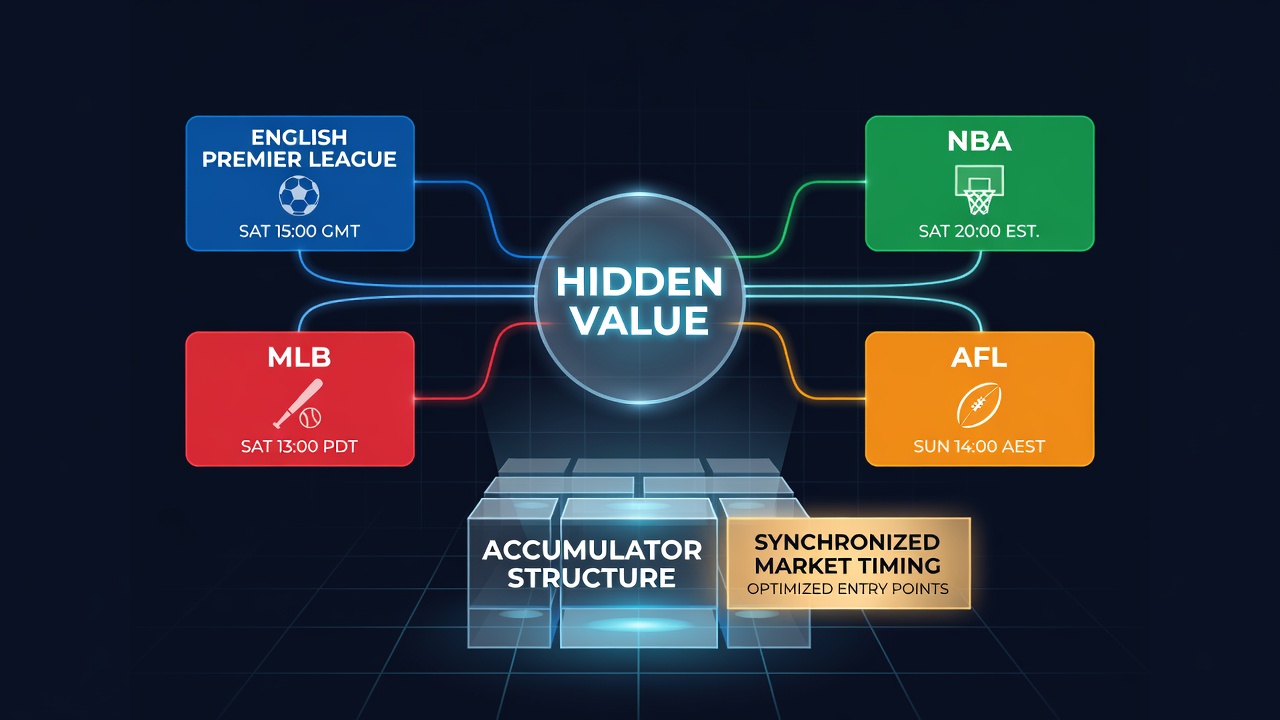
Cross-League Schedule Alignments and Their Effects on Multi-Bet Accumulator Opportunities
Schedule overlaps across major leagues generate distinct patterns in accumulator structures where synchronized market timing influences pricing and payout potential. Observers note that June 2026 features concurrent MLB regular season games, NBA playoff finals, European soccer tournaments, and early NHL offseason activity, all of which create simultaneous betting windows. Data from industry tracking services shows these periods produce measurable shifts in multi-leg bet construction because odds compilers adjust lines in response to shared liquidity flows rather than isolated events.
League Calendar Convergence in Mid-2026
Multiple sports calendars intersect during the first half of June each year, and 2026 follows the established pattern. MLB teams play daily series while NBA championship games occur on alternate evenings, and several UEFA club competitions reach knockout stages. Australian Football League matches and Canadian major junior hockey playoffs add further volume in overlapping time zones. Research compiled by sports data platforms indicates that these alignments increase the number of live markets available within a four-hour window by roughly 35 percent compared with non-overlap periods. Bettors constructing accumulators therefore encounter correlated price movements when they select legs from different sports that start within minutes of one another.
Accumulator Mechanics and Timing Sensitivity
Accumulators combine multiple selections into one wager whose payout multiplies as each leg succeeds. When two or more legs draw from overlapping schedules, the timing of market settlement becomes synchronized. According to figures released by the Ontario Lottery and Gaming Corporation, operators observed elevated handle on same-day multi-sport accumulators during comparable June periods in prior seasons. The key mechanism involves staggered start times that allow earlier results to influence live odds on later legs, creating brief windows where updated probabilities have not yet fully propagated across correlated markets. Those who monitor line movement across platforms report that these micro-adjustments appear most consistently when NBA games tip off within ninety minutes of MLB first pitches on the same evening.
Market Timing Across Time Zones
Geographic distribution of events further amplifies the effect. European soccer matches that begin in the afternoon Eastern Time often conclude before North American evening fixtures start, allowing partial accumulator results to inform subsequent selections. Data compiled by the Australian Institute of Sport shows that bettors who sequence legs according to settlement order rather than start time record higher conversion rates on multi-leg tickets during overlap weeks. The pattern holds because bookmakers recalibrate totals and spreads in real time once preceding outcomes become known, yet the adjustments sometimes lag behind the actual probability shift by several minutes. This lag supplies the structural feature that accumulator builders exploit when they align selections across leagues.
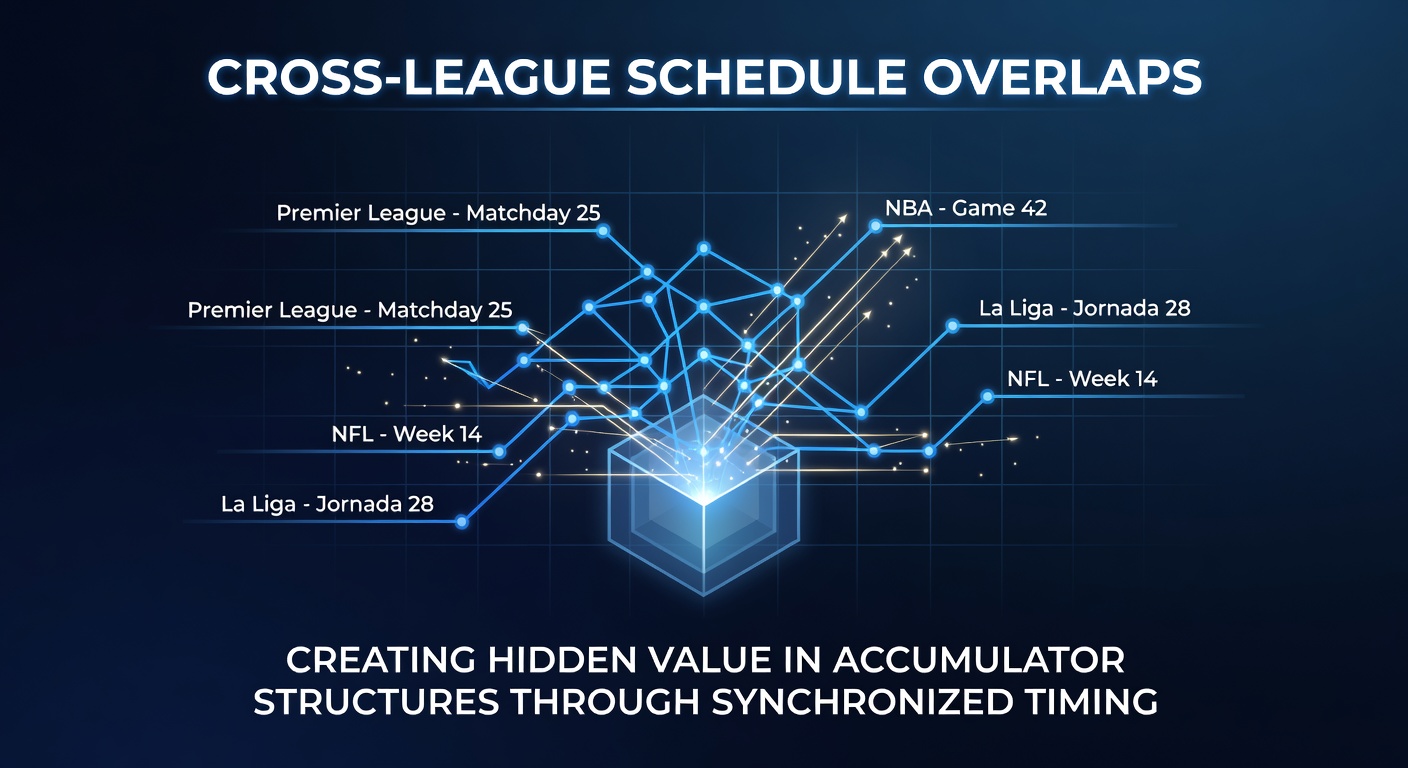
Empirical Patterns in Historical Overlap Windows
Analysis of betting volumes during previous June overlaps reveals repeatable sequences. One study covering the 2023-2025 seasons found that NBA-Major League Baseball double-headers produced the largest deviation between opening and closing accumulator odds when the basketball game tipped first. Researchers at the University of Nevada Gaming Research Center documented an average 4.2 percent movement in implied probability across correlated legs within the first twenty minutes after the earlier result posted. The same dataset indicated that soccer-NBA overlaps generated smaller but more frequent adjustments because soccer matches settle continuously through the evening rather than at a single final whistle. Observers note that these movements concentrate in totals markets rather than side markets, likely because total points or goals respond more directly to pace changes once one event concludes.
Platform and Regulatory Context
Digital sportsbooks have introduced features that highlight simultaneous markets, yet the underlying pricing mechanics remain unchanged. The National Council on Problem Gambling reports that states with mature regulatory frameworks track accumulator handle separately and have noted steady growth in multi-sport tickets during calendar overlap periods. Operators in those jurisdictions adjust risk limits in real time, which can compress or expand the window during which favorable pricing persists. Bettors who structure accumulators around these constraints therefore focus on leagues whose settlement cadence aligns with the platform's update frequency rather than attempting to predict individual outcomes.
Conclusion
Cross-league schedule overlaps produce measurable effects on accumulator construction through synchronized market timing. Data from regulatory bodies and academic research centers demonstrates that settlement order, time-zone sequencing, and line-movement lag create structural features within multi-leg bets. Those features remain consistent across recent seasons and appear again in the June 2026 calendar. Market participants who track these alignments operate within the documented parameters rather than relying on isolated event analysis.