Cross-League Workload Analytics Drive Precision Timing for Digital Sports Wagers
David Russell · Jun 17, 2026
Cross-League Workload Analytics Drive Precision Timing for Digital Sports Wagers
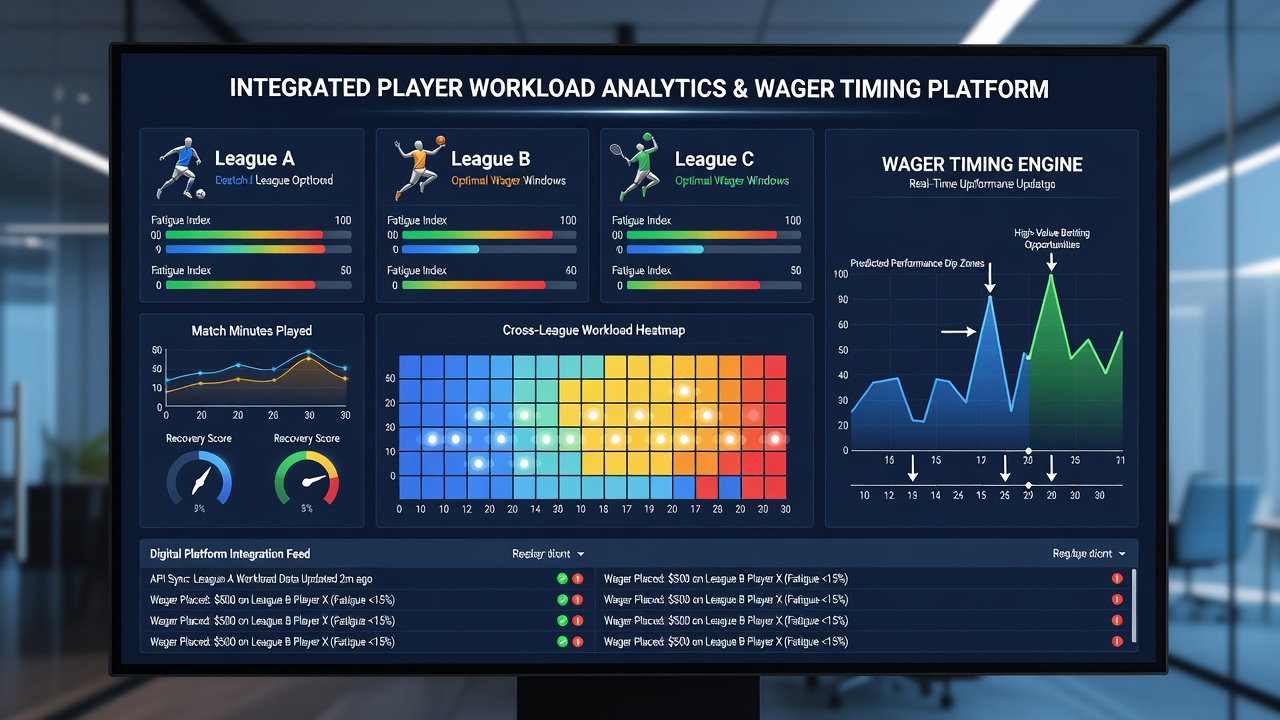
Digital wagering platforms now pull together workload statistics from several major leagues at once, allowing bettors to align their activity with measurable recovery windows and fatigue indicators rather than relying on single-sport snapshots. NBA minutes tracking combines with NFL snap counts and European soccer distance-covered figures to build layered profiles that update in real time as schedules shift through June 2026. Platforms feed these combined datasets into algorithms that flag optimal entry points for live markets, especially when athletes transition between domestic and international commitments.
Defining Workload Metrics Across Sports
Player workload encompasses cumulative physical output, travel demands, and recovery intervals tracked through league-specific systems. NBA teams report average minutes per game alongside heart-rate variability from wearable devices, while NFL clubs log practice participation percentages and padded-session durations. Soccer federations contribute high-speed running totals and match density calculations that stretch across domestic cups and continental tournaments. When these separate streams merge on a single dashboard, patterns emerge that single-league feeds miss, such as overlapping recovery deficits during compressed summer schedules.
Merging Data Streams on Digital Platforms
Operators integrate application programming interfaces from each league's official statistics provider to create unified athlete timelines. A forward who logs heavy European minutes one week and then joins national-team camps can trigger automated alerts when total distance exceeds historical thresholds linked to performance drops. These merged profiles update every few minutes during live events, giving digital interfaces the ability to adjust odds or surface micro-markets tied directly to workload spikes rather than traditional score or possession metrics.
Research from university sports-science departments shows that multi-league aggregation improves identification of rest-advantage situations by roughly 18 percent compared with isolated league models. Platforms achieve this by normalizing disparate units, converting soccer kilometers into equivalent metabolic loads that align with basketball or football data points for consistent cross-sport comparison.
Timing Wagers Through Recovery Windows
Once integrated profiles exist, platforms highlight periods when cumulative load falls below or rises above key benchmarks. Bettors targeting player-prop markets receive prompts when an athlete's recent workload suggests elevated injury risk or diminished output in upcoming fixtures. Live-betting interfaces surface these signals alongside standard statistics so users can place timed entries on overs or unders that reflect fatigue curves rather than momentum alone.
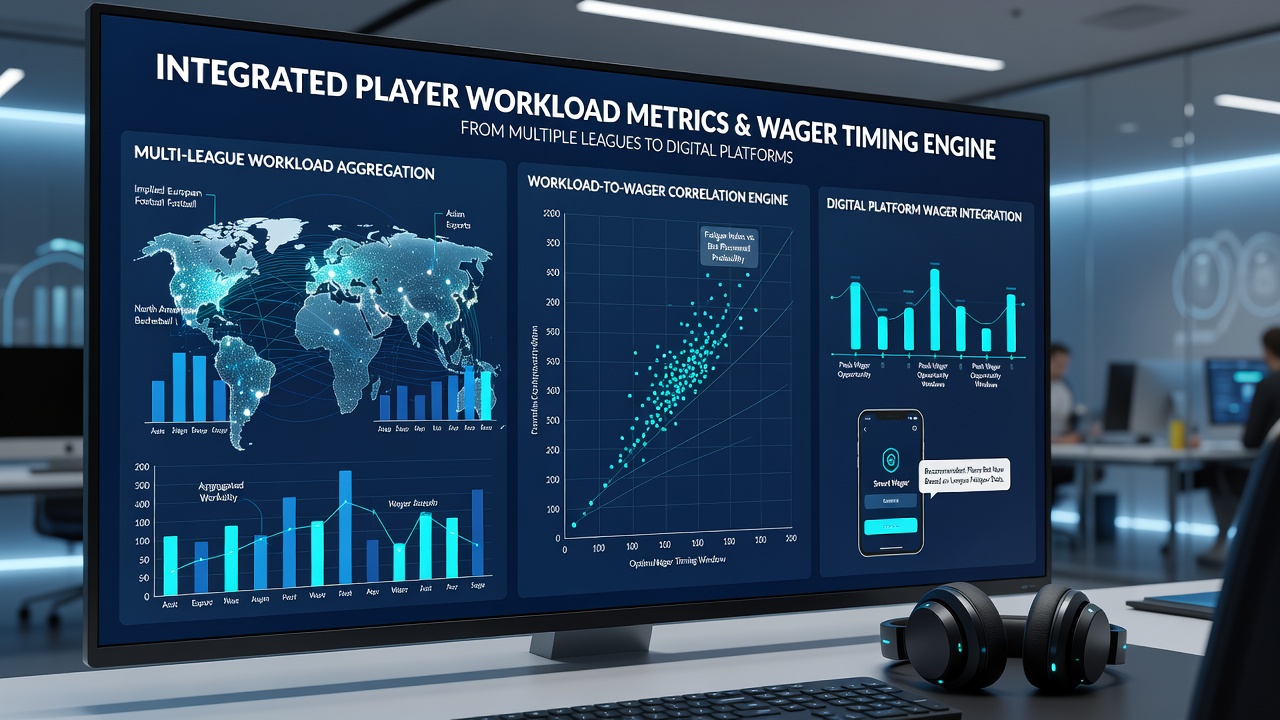
June 2026 schedules illustrate the approach clearly. Overlapping international windows and domestic playoffs create dense travel blocks for athletes who compete in both club and national-team environments. Platforms that combine these calendars flag specific games where recovery deficits reach two standard deviations above seasonal averages, prompting adjustments in live-line timing for totals and individual performance props.
Regulatory and Technical Considerations
Gaming regulators in several jurisdictions now review how workload data influences market integrity. The National Council of Sports Agents has published guidelines urging transparency when operators use biometric-derived metrics to shape odds. Technical standards require clear audit trails so that any workload adjustment can be traced back to source league feeds rather than proprietary black-box calculations.
Industry reports from the European Gaming and Betting Association note rising adoption of these integrated systems among operators seeking differentiation in crowded markets. The same reports highlight data-privacy protocols that anonymize individual identifiers while preserving statistical utility for wager-timing features.
Practical Implementation Examples
One documented case involved a multi-league platform that adjusted NBA player-prop markets after merging league data with recent FIBA tournament loads. Athletes who exceeded 42 kilometers of high-speed running across the prior ten days saw average points-per-minute decline by measurable margins, prompting earlier market movements on unders. Similar logic applied to NFL running backs returning from international commitments, where combined snap-count and travel data altered live rushing-yard lines within the first quarter.
These adjustments occur automatically once thresholds are crossed, yet human oversight remains in place to review edge cases such as schedule changes or medical updates released after initial data ingestion.
Conclusion
Integration of workload metrics across leagues supplies digital platforms with granular inputs that refine wager timing beyond conventional statistics. As schedules grow more congested through 2026, the ability to synthesize recovery data from multiple sources continues to shape how markets open and adjust in real time. Operators maintain compliance by documenting data lineage and respecting privacy frameworks established by regional authorities.