Kambi Analysis Uncovers Shifting Patterns in 2026 World Cup Betting Activity
Rosa Vogel · Aug 19, 2026

Kambi Analysis Uncovers Shifting Patterns in 2026 World Cup Betting Activity
August 2026 brought fresh numbers from Kambi on how bettors behaved during the 2026 FIFA World Cup, and the figures point to clear changes in how people placed wagers across its network. Bettors generated more than 100 million individual bets throughout the tournament, a total that reflects both volume and deeper engagement with available markets. The data tracks several specific movements, including growth in customizable bet types, increased focus on individual player performance, and stronger participation in live events.
Bet Builder Usage Expands Sharply
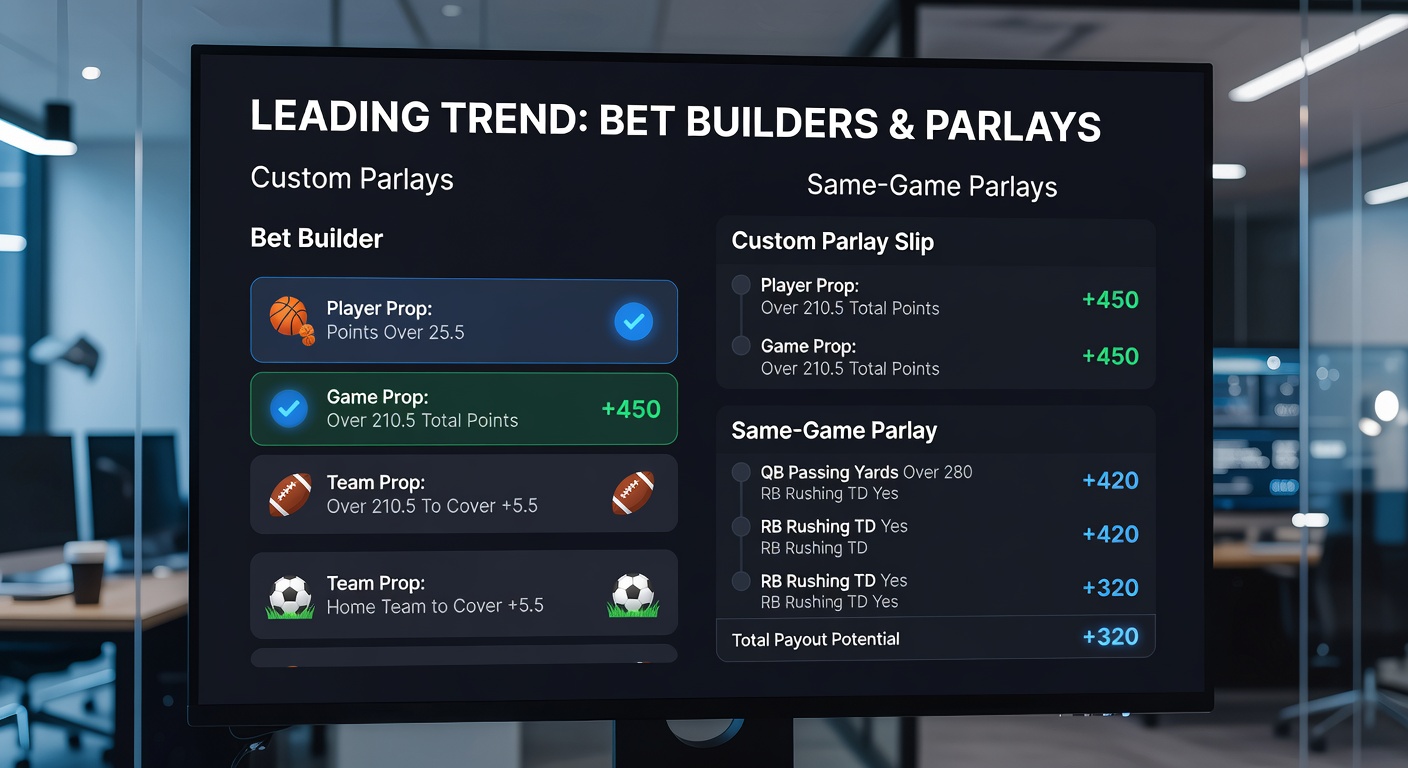
One standout movement appears in Bet Builder activity, which accounted for 35 percent of all bets placed during the event. That share represents a notable increase from the 17 percent recorded in the previous World Cup cycle during 2022. Bettors used the tool to combine multiple selections into single wagers, and the report shows this approach gained traction as users sought more control over their combinations. The rise occurred alongside broader platform features that let customers adjust parameters in real time during matches.
Player Props Drive Bet Builder Volume
Within those Bet Builder wagers, player props formed a central component. Sixty-five percent of Bet Builder bets included at least one player prop selection, compared with 25 percent in 2022. This shift indicates that bettors directed more attention toward individual athlete statistics rather than team-level outcomes alone. The report connects this trend to expanded data availability and the ability to pair player-specific metrics with match events, such as goals, assists, or cards, within the same ticket.
Live Betting and Overall Engagement Rise
Live betting also showed stronger participation as matches progressed. Users who engaged with in-play options placed significantly more wagers per session than in earlier tournaments, according to the analysis. The data links this pattern to extended match durations and the continuous updating of odds that allowed repeated adjustments throughout each game. Observers note that deeper engagement appeared across multiple markets, with customers returning to the same events several times rather than limiting activity to pre-match selections.
New Customer Acquisition and Retention Focus
The tournament period served as a key driver for bringing new accounts onto the network. Kambi's figures indicate that the event introduced many first-time bettors to the platform, particularly through prominent live and Bet Builder options. At the same time, the report emphasizes how broader sportsbook offerings helped maintain activity from both new and returning users after the final match. Retention efforts centered on variety across sports and bet types rather than relying solely on the World Cup schedule.
Those who reviewed the full dataset found that the combination of higher Bet Builder adoption, greater player prop inclusion, and elevated live betting volumes created a more layered betting environment than in prior cycles. The patterns documented in the Kambi World Cup 2026 Report align with ongoing platform enhancements that support these specific bet formats. Kambi's analysis provides the underlying statistics that illustrate how these elements interacted during teh tournament window.
Conclusion
The 2026 World Cup betting data released by Kambi documents measurable growth in Bet Builder share, player prop integration, and live market activity while also recording substantial total bet volume and new customer inflows. These elements together illustrate how engagement evolved across the event, with retention supported by expanded product range. The figures stand as a reference point for future tournament cycles and platform development priorities.