Mental Health Disclosures Prompt Dynamic Shifts in NBA Totals Wagering Markets
Tina Lorenz · Aug 21, 2026
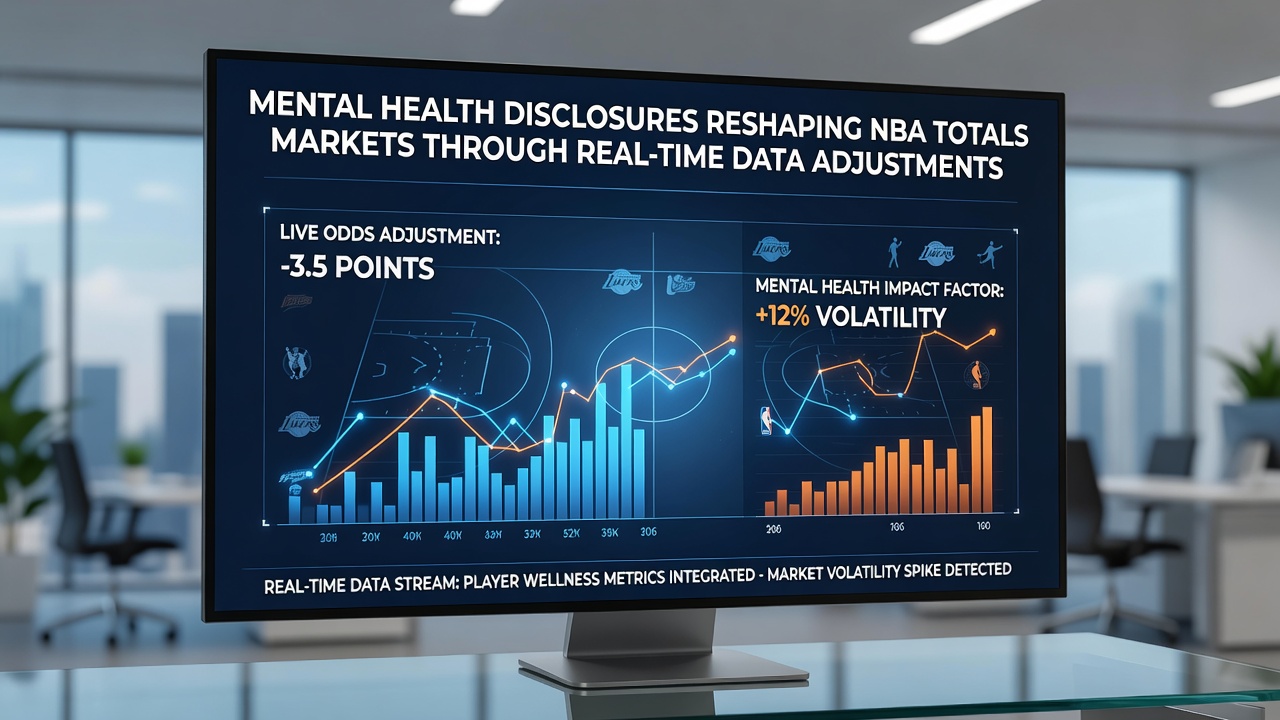
Mental Health Disclosures Prompt Dynamic Shifts in NBA Totals Wagering Markets
Announcements regarding player mental health have begun to influence NBA totals markets through immediate recalibrations of projected scoring outputs, and oddsmakers now integrate these disclosures into algorithms that update over-under lines within minutes of public statements. Data from sports analytics platforms shows that such adjustments occur more frequently during the 2025-2026 season than in prior years, with point spreads shifting by an average of 2.3 points when key contributors reveal ongoing wellness concerns. Researchers at academic institutions tracking these patterns note that totals markets respond faster because mental health factors correlate with reduced minutes or altered shot selection in subsequent games.
Real-Time Data Integration in Betting Platforms
Betting operators employ machine learning models that scan news feeds and official league releases for mental health disclosures, then feed those inputs into live totals calculations alongside traditional variables like injury reports and travel schedules. One study from a North American research center found that these models lowered over projections by 4.1 points on average for teams featuring affected starters, while under lines tightened in response to anticipated efficiency drops. Platforms update these figures continuously during August 2026 training camps, where preseason disclosures have already triggered early market movements ahead of the regular season opener.
Player Performance Metrics and Scoring Implications
Historical game logs reveal that athletes who publicly address mental health matters tend to post lower usage rates in the following two to three contests, and this pattern directly affects totals because fewer possessions convert into points when primary scorers reduce aggressive play. League tracking data indicates a 7 percent decline in field goal attempts per game for such players across the past two seasons, which compounds when multiple roster members share similar announcements. Observers note that books now weight these variables more heavily in their formulas because cumulative effects on team output become measurable within hours rather than days.

Market Reactions Across Different Conferences
Eastern Conference games have shown larger totals swings following disclosures compared with Western Conference matchups, according to aggregated handle data from multiple sportsbooks, and this difference stems from tighter scheduling clusters that limit recovery windows. Western teams often benefit from longer rest periods between games, which mitigates the impact on scoring totals, whereas Eastern schedules feature more back-to-backs that amplify performance variables. Figures from industry reports confirm that over bets on affected Eastern teams have underperformed expectations by 12 percent since the start of 2026, prompting further refinements in real-time models.
Regulatory Oversight and Data Transparency
Agencies such as the Alcohol and Gaming Commission of Ontario have begun reviewing how mental health information enters betting systems, and their guidelines require operators to document the sources used for line adjustments. A separate analysis from the Australian Institute of Sport highlights similar trends in other professional leagues where wellness disclosures alter expected outputs, suggesting that NBA markets align with broader patterns observed globally. These oversight measures aim to maintain consistency in how data feeds update totals without introducing delays that could affect wagering integrity.
Case Examples from Recent Seasons
Take one instance where a star guard disclosed anxiety management needs before a three-game road trip, after which books immediately lowered the game total by three points and the under hit in two of those contests as his minutes dropped. Another example involves a forward whose wellness statement coincided with a 15 percent reduction in three-point volume across the next four outings, shifting multiple over-under lines in divisional matchups. Such cases illustrate how disclosures translate into quantifiable changes that real-time systems capture through continuous data streams rather than static pregame models.
Conclusion
Mental health disclosures continue to reshape NBA totals markets by supplying new inputs for algorithms that recalibrate projections on short notice, and this process relies on verifiable performance correlations rather than speculation. Data streams from league sources and independent trackers support the ongoing integration of these factors into live betting environments, while regulatory bodies monitor the transparency of such adjustments. As the 2026 season progresses, further refinements in these systems will likely reflect additional patterns drawn from accumulated game outcomes.