Prediction Markets Expand Their Role in U.S. Sports Betting During 2026 World Cup
Hugo Russell · Jul 29, 2026
Prediction Markets Expand Their Role in U.S. Sports Betting During 2026 World Cup
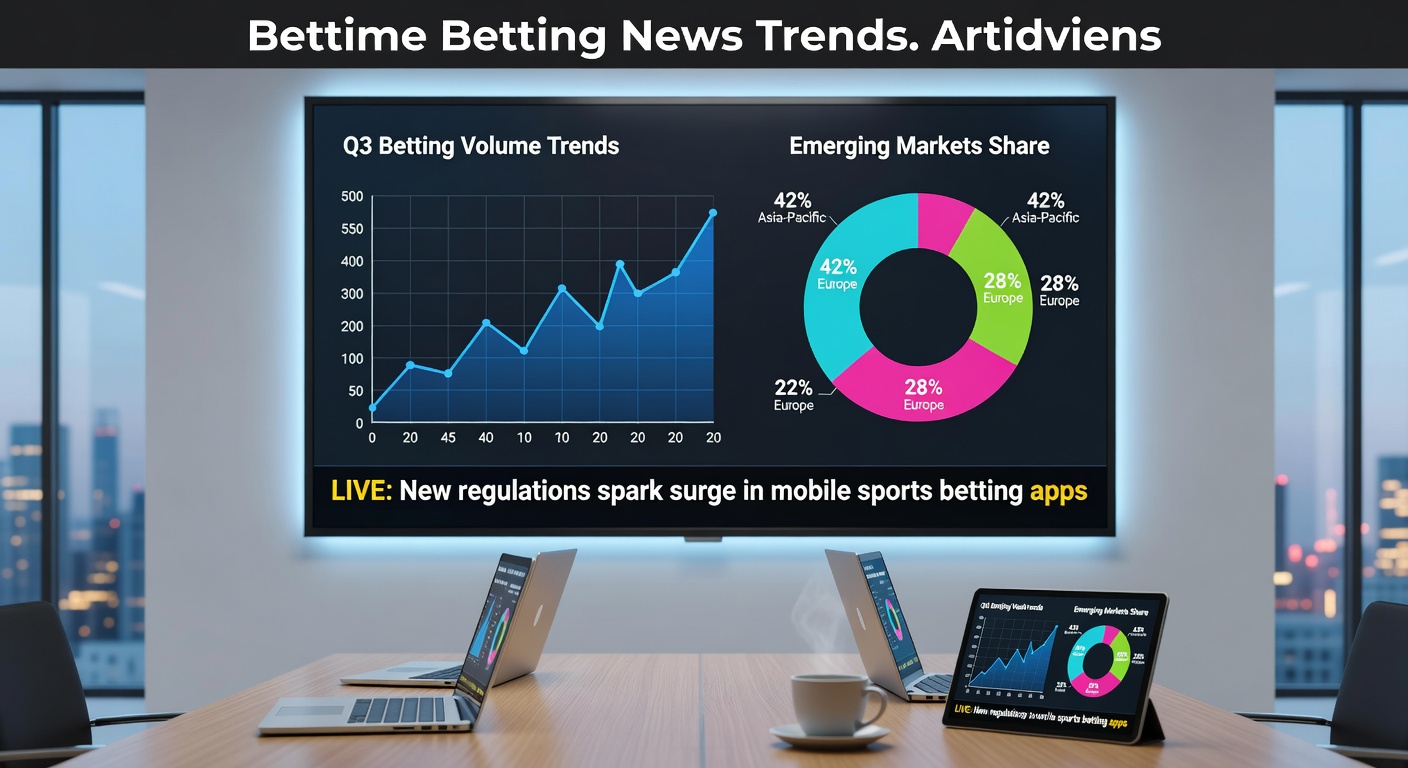
During the 2026 FIFA World Cup, prediction-market platforms such as Kalshi and Polymarket raised their portion of U.S. legal sports-betting activity to an estimated 27 percent of total volume, up from 9 percent recorded earlier in the year, according to industry estimates. This shift occurred while the global tournament drew widespread attention, and it placed these CFTC-regulated platforms ahead of several traditional sportsbooks in daily activity metrics.
Kalshi recorded app usage that surpassed major operators including DraftKings and FanDuel on multiple days throughout the event. Observers note that the increase reflects broader participation in prediction markets, which operate under federal oversight from the Commodity Futures Trading Commission, as opposed to state-by-state sports-betting licenses held by conventional books.
Volume Shifts During the Tournament
Industry estimates place the combined prediction-market share at 27 percent of U.S. legal sports-betting volume by the midpoint of the 2026 World Cup schedule. Earlier figures from the same calendar year showed these platforms accounting for just 9 percent, indicating a marked acceleration tied to the timing of matches. Traditional sportsbooks experienced comparatively slower growth in the same period, allowing the newer platforms to close the gap in overall handle.
Data collected during the tournament period shows Kalshi achieving record daily active users that exceeded those reported by DraftKings and FanDuel on select dates. These spikes aligned with high-profile matches, when trading interest in event contracts rose sharply. Polymarket followed a similar pattern, though its U.S. user base operated through distinct access channels compared with fully domestic platforms.
Regulatory Context and Platform Operations
CFTC-regulated prediction markets differ from state-licensed sportsbooks in their structure and product offerings. Contracts on these platforms often take the form of binary or multi-outcome event derivatives rather than traditional point spreads or moneylines. During the 2026 World Cup, this format attracted users seeking direct exposure to match results, team advancement, and tournament milestones.
Figures released after the group stage concluded revealed that prediction-market volume growth outpaced that of established operators. Kalshi's application saw peak concurrent sessions that placed it temporarily ahead of larger competitors in daily rankings. The pattern repeated across several match days, underscoring sustained interest beyond initial tournament excitement.
Market Share Comparisons
Estimates compiled across the first weeks of July 2026 placed prediction markets at 27 percent of tracked U.S. legal betting activity. This represented a tripling of their earlier position within the calendar year. Traditional sportsbooks maintained the remaining share but recorded slower incremental gains during the same window.
Platform-specific metrics indicated Kalshi led the category in app engagement on multiple tournament days. DraftKings and FanDuel continued to post substantial absolute volumes, yet the relative daily user counts for Kalshi crossed ahead during peak periods. Polymarket contributed additional volume through its own user base, reinforcing the combined category expansion.
Implications for Industry Tracking
Industry analysts tracking legal betting flows incorporated prediction-market data into their 2026 World Cup reports for the first time at this scale. The 27 percent figure emerged from aggregated transaction records across platforms operating under CFTC jurisdiction. Earlier 2026 benchmarks at 9 percent provided the baseline for measuring the acceleration that coincided with the tournament calendar.
Observers tracking user behavior noted that prediction markets captured activity from participants who previously used conventional sportsbooks exclusively. The shift appeared most pronounced on days featuring multiple simultaneous matches, when contract trading remained active for extended hours. This pattern contributed to the overall volume reallocation observed through mid-July 2026.
Conclusion
The 2026 FIFA World Cup period documented a clear expansion of prediction-market platforms within the U.S. legal betting ecosystem. Kalshi and Polymarket together reached an estimated 27 percent share, supported by record app engagement that exceeded major traditional operators on certain days. These developments occurred under existing CFTC regulatory frameworks and aligned directly with the global tournament schedule. Industry estimates provide the primary source for the volume comparisons, while platform-reported metrics confirm the daily usage records achieved during the event.