Predictive Analytics Software Driving Precision in Cross-Sport Accumulator Betting
Tina Lorenz · Jul 1, 2026

Predictive Analytics Software Driving Precision in Cross-Sport Accumulator Betting
Cross-sport accumulator bets combine selections from different athletic disciplines into single wagers, and predictive modeling software processes vast datasets to calculate combined probabilities with greater consistency. These tools aggregate historical performance metrics, player statistics, team trends, and external variables across leagues such as the NFL, Premier League, and NBA, then apply algorithms to generate adjusted odds that reflect inter-sport correlations often overlooked in manual analysis. Operators and bettors alike have integrated these systems since the expansion of digital platforms accelerated in the mid-2020s.
Core Mechanisms Behind Cross-Sport Modeling
Software platforms ingest real-time feeds from multiple governing bodies while layering machine learning models that identify patterns such as weather impacts on outdoor events alongside indoor fatigue indicators. Analysts configure variables including travel schedules, injury reports, and seasonal timing, which the system normalizes across disparate sports calendars to output unified probability distributions. This approach replaces isolated sport-specific calculations with interconnected simulations that account for variance when events occur on the same day or across consecutive fixtures.
Researchers at institutions tracking North American wagering volumes noted in mid-2026 that platforms employing these models recorded measurable shifts in accumulator payout accuracy during July testing periods when baseball, soccer, and tennis overlapped on international calendars. The software recalibrates continuously as new data arrives, allowing adjustments for late scratches or venue changes that affect multiple legs simultaneously.
Data Integration Across Disparate Leagues
One implementation fuses box-score archives from Major League Baseball with European football tracking data through standardized APIs, enabling the model to weigh pitching rotations against midfielder workload metrics. Correlations emerge when high-scoring baseball games coincide with low-possession soccer matches, prompting the algorithm to lower joint probability estimates accordingly. Canadian regulatory filings from the Alcohol and Gaming Commission of Ontario indicate that licensed operators using such integrated systems reported stabilized handle figures through the first half of 2026 compared with earlier manual approaches.
Accuracy Gains Documented in Operational Settings
Studies from the University of Sydney's gambling research unit have tracked how these platforms reduce deviation between projected and actual accumulator outcomes by incorporating ensemble methods that average multiple sub-models. Each sub-model specializes in a sport cluster, yet the overarching system applies Bayesian updating to refine cross-sport dependencies as results post. Observers note that during periods of dense scheduling in July 2026, operators observed tighter clustering of realized returns around modeled expectations when software handled the multi-leg computations.
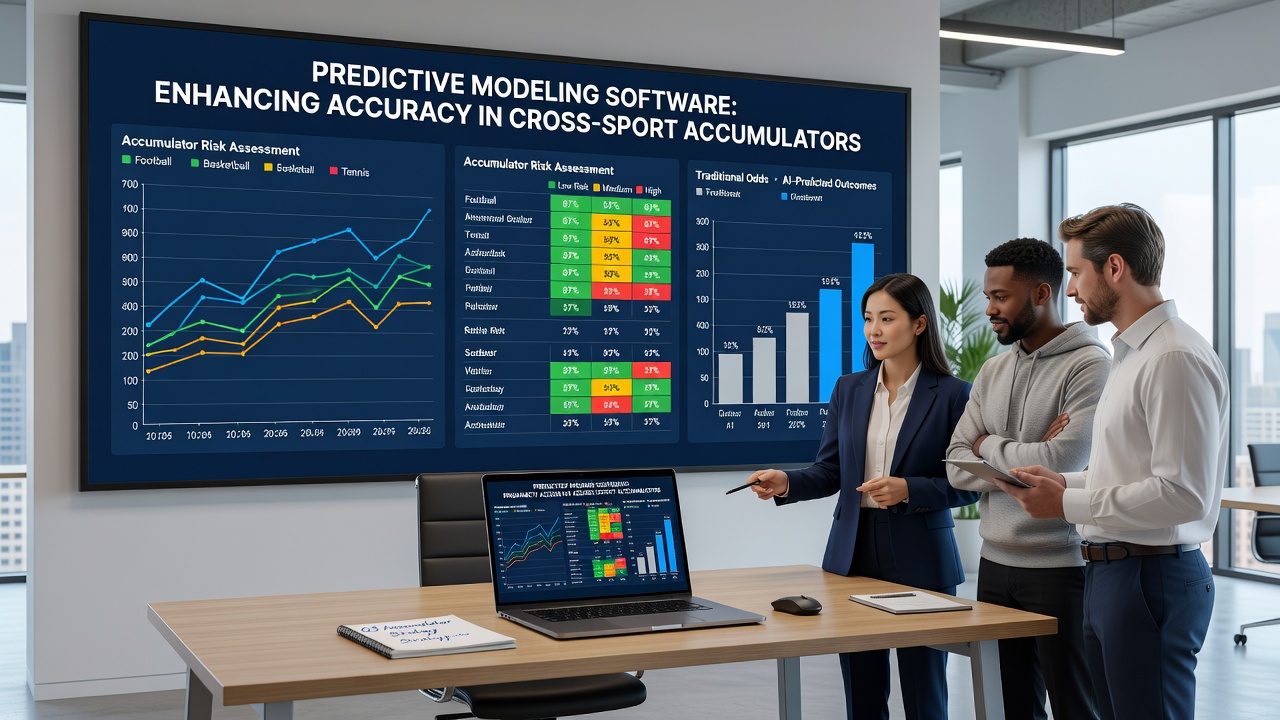
Implementation often includes scenario testing modules that run thousands of Monte Carlo simulations for a proposed accumulator, outputting confidence intervals rather than single-point estimates. Bettors receive these ranges through platform interfaces, which helps illustrate how small changes in one leg propagate through the entire ticket. This transparency stems directly from the software's capacity to process combinatorial explosion that manual methods cannot address at scale.
Operational Deployment and Platform Features
Leading providers embed these tools within existing sportsbook dashboards, where users toggle filters for sport combinations or risk thresholds. The underlying code draws on distributed computing clusters to complete simulations within seconds, supporting live updates when odds shift across markets. Data from the Australian Communications and Media Authority's 2025-2026 industry overview shows increased adoption among operators offering multi-sport products, with modeling features cited as contributors to sustained user engagement metrics.
Edge cases such as weather disruptions affecting both an afternoon baseball game and an evening soccer fixture receive explicit weighting through dedicated environmental sub-routines. The software flags potential covariance spikes and suggests alternative leg substitutions that maintain overall ticket structure while altering exposure profiles. Those who have examined deployment logs report that such recommendations occur most frequently during transitional months when seasonal overlaps intensify.
Conclusion
Predictive modeling software continues to reshape accumulator construction by supplying interconnected probability frameworks that span multiple sports simultaneously. Through continuous data ingestion, ensemble algorithms, and simulation outputs, these systems deliver refined accuracy metrics that operators document in regulatory submissions and academic partners validate in ongoing studies. As scheduling density remains high through periods such as July 2026, the role of these tools in managing cross-sport variance stands as a documented feature of contemporary digital wagering infrastructure.