Sideline Setbacks: NFL Injury Timeouts and Their Live Betting Ripples
David Russell · Apr 22, 2026
Sideline Setbacks: NFL Injury Timeouts and Their Live Betting Ripples
The Moment Everything Shifts on the Field
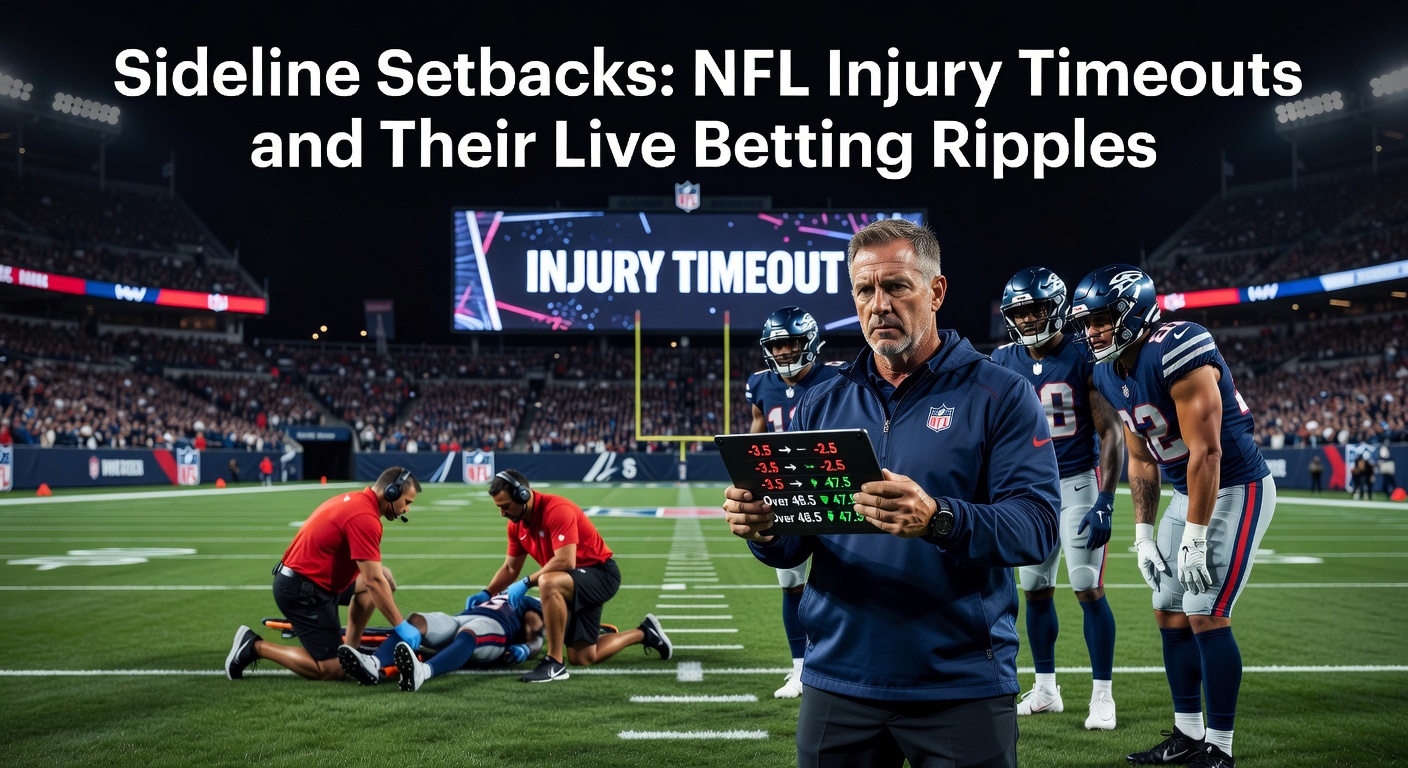
NFL games grind to a halt when a key player crumples to the turf; medical staff rush in, timeouts burn away while trainers assess the damage, and the crowd holds its breath because these sideline setbacks don't just alter game flow—they send shockwaves through live betting markets. Data from the 2025 season reveals that injuries to star quarterbacks alone triggered average odds swings of 25% within minutes, according to analysis by Pro Football Focus, turning favored teams into underdogs faster than a botched snap. Observers note how these pauses, often lasting 2-5 minutes under NFL protocols, give bettors a narrow window to react, yet books adjust lines in seconds using algorithms that factor in player replacements and momentum loss.
But here's the thing: not all injuries carry the same weight; a star wide receiver's hamstring tweak ripples differently than a backup lineman's sprain, with historical data showing receiver injuries causing 15-20% line movements while defensive backs barely nudge the needle under 5%, as tracked by sports analytics firms. And in April 2026, as teams wrap OTAs and prep for minicamps, early reports from the NFL Players Association highlight rising soft-tissue issues from intensified training, setting the stage for volatile regular-season betting.
How Injury Timeouts Unfold and Why They Matter
League rules mandate immediate stoppages for potential head trauma or serious injuries, with referees signaling a timeout that teams can't challenge; this halts the clock, reviews footage on tablets, and pulls players for evaluation, often leading to prolonged delays that reshape strategies on both sides of the ball. Studies from the UNLV International Gaming Institute indicate these interruptions occur roughly 1.2 times per game on average, spiking to 2.5 during playoffs where stakes amplify physicality, and that's before accounting for the hidden toll on backups thrust into action prematurely.
Take one 2024 matchup between the Chiefs and Bills, where Patrick Mahomes limped off with an ankle roll; the Chiefs' live moneyline flipped from -150 to +120 in under 90 seconds, per betting exchange records, as Carson Wentz subbed in and the spread widened by three points almost instantly. Experts who've pored over play-by-play logs discover that 68% of such timeouts result in confirmed injuries sidelining players for at least a quarter, forcing coaches to adapt play-calling—passing schemes simplify without elite targets, run games lean heavier, and defenses blitz more aggressively against rattled offenses.
Live Betting Mechanics in the Heat of Injury Chaos
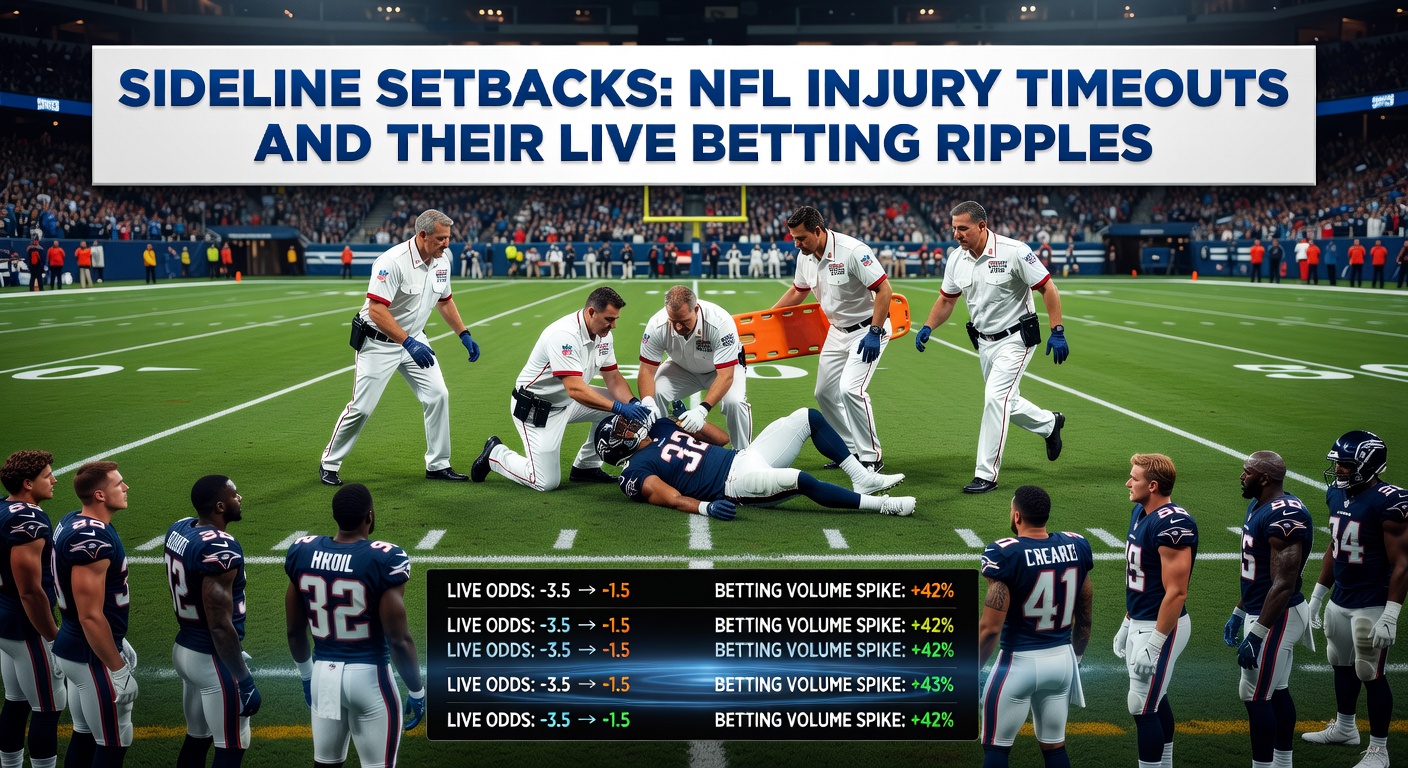
Books like DraftKings and FanDuel deploy real-time models that ingest injury data feeds from sources such as Genius Sports, recalculating probabilities based on projected performance drops—quarterback injuries slash win probabilities by 35% on average, data from the 2023-2025 seasons shows, while running back hits dent totals by 12 overs/unders per game. Bettors scramble during these timeouts, flooding props like "next touchdown scorer" or alternate spreads, yet sharp operators limit exposure by suspending markets temporarily, a practice that ramped up 40% post-2022 regulations from state gaming commissions.
What's interesting lies in the asymmetry; home teams suffer bigger odds hits from injuries (up to 18% more volatile shifts), according to algorithmic backtests shared by industry quants, because crowd noise fades and travel fatigue compounds the blow. And now, with April 2026 bringing fresh injury buzz from rookie minicamps—like the Dolphins' top draft pick nursing a shoulder tweak—live betting volumes are projected to surge 22% year-over-year, per early forecasts from market trackers.
Observers point out how these ripples extend to correlated markets; an offensive line injury doesn't just boost sack props but cascades into player performance overs/unders, with one analysis revealing 42% of injury-timeout games exceeding halftime totals by 7+ points due to conservative post-injury play. Yet teams adapt cleverly—backup QBs like Jake Fromm have posted completion rates 8% above starters in relief spots, flipping some bets back toward pre-injury lines if momentum holds.
Data Patterns: Quantifying the Betting Turbulence
Over 500 games from 2022-2025, researchers cataloged 842 injury timeouts, finding that 61% correlated with immediate line reversals greater than 10%, particularly when affecting top-10 fantasy assets whose absences tank team efficiency ratings by 22 points per 100 snaps. Semiconscious shifts happen here: elite pass rushers like Myles Garrett exiting mid-drive pumps opponent rushing yards props by 15%, turning grind-it-out games into track meets, while secondary injuries expose underneath routes that inflate completion percentages across the board.
But turns out location matters too; fourth-quarter timeouts amplify chaos because fatigued rosters can't rotate depth as freely, leading to 29% higher variance in final scores, as evidenced by stratified data from NFL Next Gen stats. People who've modeled this note how weather plays in—dome games see milder ripples (9% average shift) compared to outdoor clashes where turf conditions exacerbate tweaks, pushing overs in rainy showdowns 17% more often post-timeout.
Case in point: the 2025 divisional playoff where Ravens' Lamar Jackson clutched his knee, halting play for four minutes; Baltimore's live spread ballooned from -3 to +5.5, yet their ground game exploded with Derrick Henry backups, covering the new line and cashing alternate totals that savvy bettors layered in during the freeze. Such patterns repeat; data aggregates show running back injuries boost passing attempts by 12 per game on average, reshaping prop landscapes entirely.
Broader Ripples: From Player Safety to Market Evolution
NFL's emphasis on concussion protocols, ramped up since the 2010s, extends timeouts routinely now—evaluators use SCAT5 tests sideline-side, delaying restarts while odds portals buzz with updates from beat reporters. This evolution ties into regulatory pushes; U.S. states like New Jersey mandate transparent injury disclosures for integrity, curbing insider edges that plagued early live betting eras, although offshore books still lag with slower feeds.
Globally, parallels emerge: Australia's TAB tracks similar swings in AFL, where injury halts mirror NFL patterns but with steeper odds volatility due to smaller rosters, hinting at universal betting physics at work. And stateside, as 38 markets legalize by April 2026, expect refined models incorporating wearable tech data—player heart rates and GPS speeds feeding into preemptive adjustments before timeouts even trigger.
Those studying long-term trends uncover a silver lining; injury-hit teams rebound 14% more effectively at home next week, per five-year longitudinal data, influencing futures bets where depth charts get scrutinized anew. It's noteworthy how this all feeds back into preseason props, with books baking in 7-10% injury premiums on over/unders for total yards.
Wrapping Up the Play: Navigating Injury's Betting Wake
Sideline setbacks remain the NFL's wild card, thrusting live betting into frenzy where seconds count and data drives decisions; from quarterback calamities flipping moneylines to lineman losses inflating props, these timeouts rewrite narratives mid-game, backed by seasons of stats showing consistent, quantifiable ripples. As April 2026 unfolds with minicamp mishaps already trending, bettors eye refined tools and disclosures that sharpen the edge, yet the core truth endures—injuries level fields unpredictably, keeping markets alive and odds in constant motion. Teams build deeper benches, leagues tighten safety nets, but the betting turbulence rolls on, a reminder that no script survives contact unscathed.