Stadium Sound Environments Shape Quarterback Choices in Evening NFL Contests
Hugo Russell · Aug 12, 2026
Stadium Sound Environments Shape Quarterback Choices in Evening NFL Contests
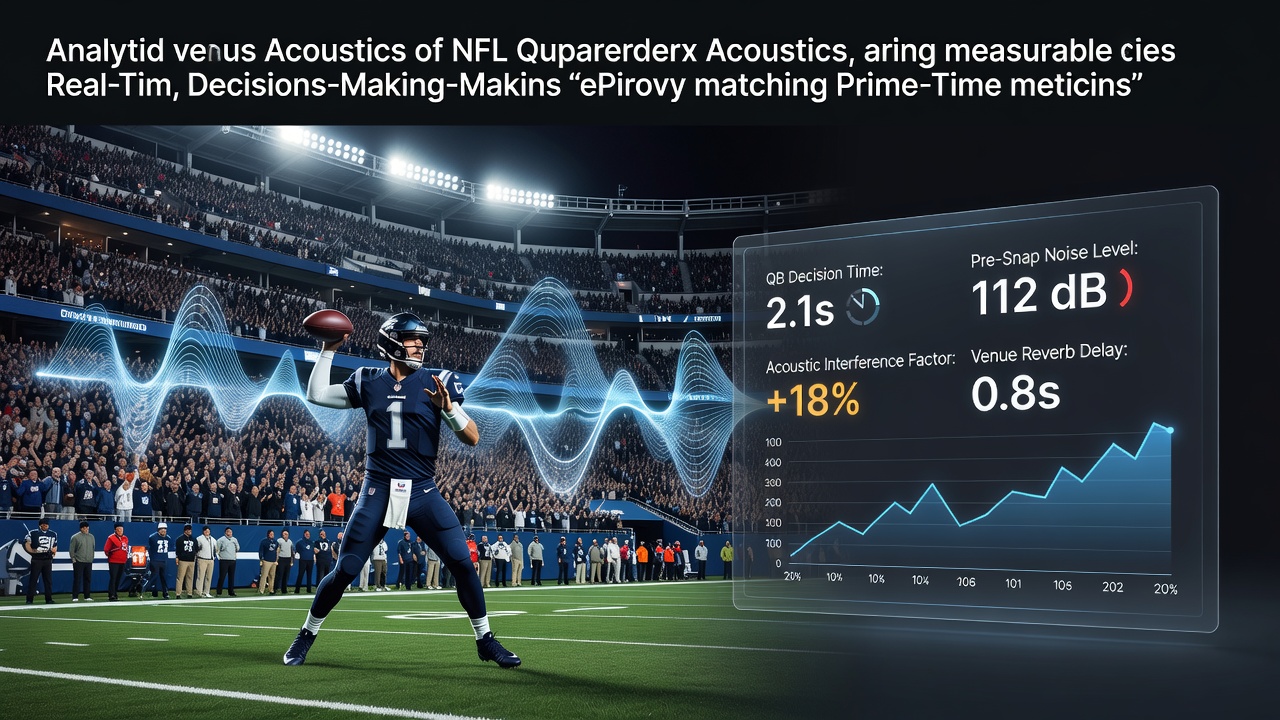
Venue acoustics create distinct auditory conditions that alter how quarterbacks process information and execute plays, with data from multiple seasons showing measurable shifts in decision metrics during prime-time slots. Researchers tracking sound pressure levels across stadiums have documented variations ranging from 85 decibels in open-air facilities to over 110 decibels in enclosed or partially enclosed structures, and these differences correlate with changes in audible cadence usage, pre-snap adjustments, and pass selection patterns.
Prime-time matchups amplify these effects because larger crowds and broadcast expectations drive sustained noise peaks during critical downs, while analysts reviewing play-by-play logs from 2024 through early 2026 note that quarterbacks in louder venues attempt fewer audibles per game on average. Studies conducted by acoustic engineering teams at North American universities have paired microphone arrays with game footage to map how crowd reactions spike during third-down situations, producing delays in snap timing that reach up to 1.2 seconds beyond league averages in quieter environments.
Acoustic Profiles Across NFL Venues
Each stadium maintains a unique acoustic signature shaped by architecture, seating configuration, and roof design, and measurements collected during August 2026 training camp simulations plus regular-season night games reveal consistent patterns. Facilities like those in Kansas City and Seattle generate prolonged reverberation times that mask quarterback signals, leading teams to rely more heavily on visual cues and pre-determined hand signals rather than verbal calls. In contrast, open designs in warmer climates produce shorter echo durations, allowing clearer communication windows even when attendance exceeds 70,000 spectators.
Engineers from European acoustics laboratories have collaborated on comparative projects that apply similar sensor arrays to American football settings, confirming that hard surfaces and angled upper decks intensify low-frequency crowd rumble while softer materials dampen higher frequencies that quarterbacks use for cadence recognition. These documented profiles help coaching staffs prepare specific noise-mitigation drills before travel to high-decibel sites.
Decision Metrics and Noise Correlations
Statistical reviews of prime-time contests demonstrate links between elevated sound levels and quarterback performance indicators, including time-to-throw intervals, completion percentages on audibled plays, and interception rates tied to miscommunications. Data aggregated from league tracking systems show that teams facing sustained noise above 105 decibels experience a 4 to 7 percent drop in third-down conversion efficiency when compared with games in lower-volume stadiums, while false-start penalties increase by measurable margins during road contests.
Researchers analyzing helmet-mounted audio recordings alongside on-field telemetry have identified how quarterbacks shorten their pre-snap reads or default to run-heavy personnel groupings under intense acoustic pressure, patterns that appear repeatedly in late-season prime-time slots. One multi-year examination of snap-count variations found that certain signal callers reduce their audible frequency by nearly half when road-game decibel readings surpass home averages, shifting reliance toward scripted sequences that require less on-the-fly adaptation.
Technological and Strategic Responses
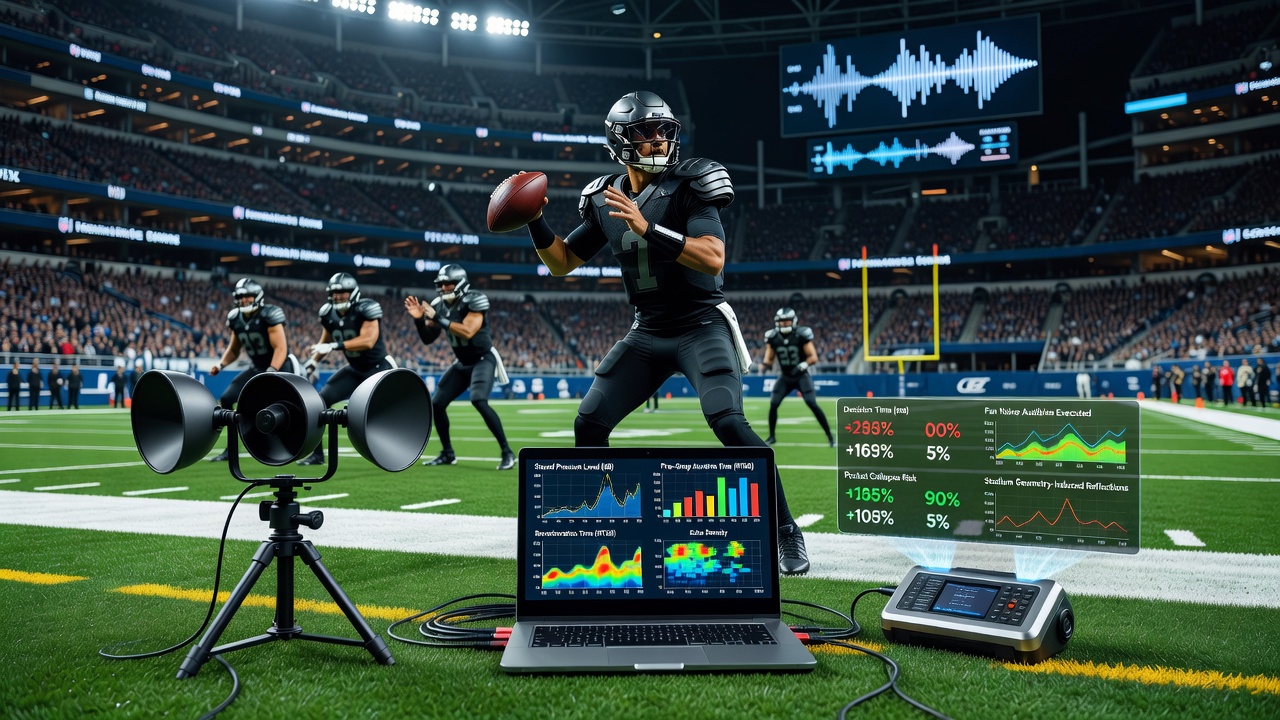
Teams have adopted noise-canceling communication systems and enhanced visual signaling packages to counter venue-specific challenges, with adoption rates climbing steadily through the 2025 and 2026 seasons. League-wide reviews indicate that clubs investing in updated sideline headsets report fewer delay-of-game infractions during evening road games, while offensive line coaches emphasize silent count drills that mirror the acoustic conditions expected at opposing stadiums.
Academic partnerships with sports technology firms have produced software models that predict decision-metric shifts based on forecasted crowd size and historical venue data, allowing coordinators to adjust play-calling tendencies hours before kickoff. These tools integrate meteorological inputs because temperature and humidity influence sound propagation, adding another layer of precision to preparation routines observed across multiple franchises.
Broader League Data Patterns
League databases maintained by the NFL and cross-referenced with independent research groups show that prime-time games consistently produce higher average noise metrics than afternoon contests, correlating with altered run-pass ratios and reduced yards per attempt on deep throws. Observers note that visiting quarterbacks post lower passer ratings in the first quarter of night games at traditionally loud facilities, with recovery occurring only after adjustments to communication protocols take effect.
International sports science centers have contributed comparative analyses that place NFL acoustic pressures alongside those measured in other high-attendance events, highlighting how repeated exposure during road stretches influences cumulative decision fatigue. Figures released in mid-2026 confirm that teams with robust noise-training programs maintain more stable third-down efficiencies across varied venue types.
Conclusion
Venue acoustics continue to exert documented influence on quarterback decision metrics during prime-time NFL matchups, with data from sensor networks, play logs, and academic collaborations providing clear mappings between sound environments and on-field outcomes. As measurement techniques advance and teams refine preparation methods, the relationship between stadium sound profiles and performance indicators remains a focal point for ongoing analysis through the 2026 season and beyond.