Tracing Online Buzz to Betting Shifts in MLS Games
David Russell · Jul 8, 2026
Tracing Online Buzz to Betting Shifts in MLS Games
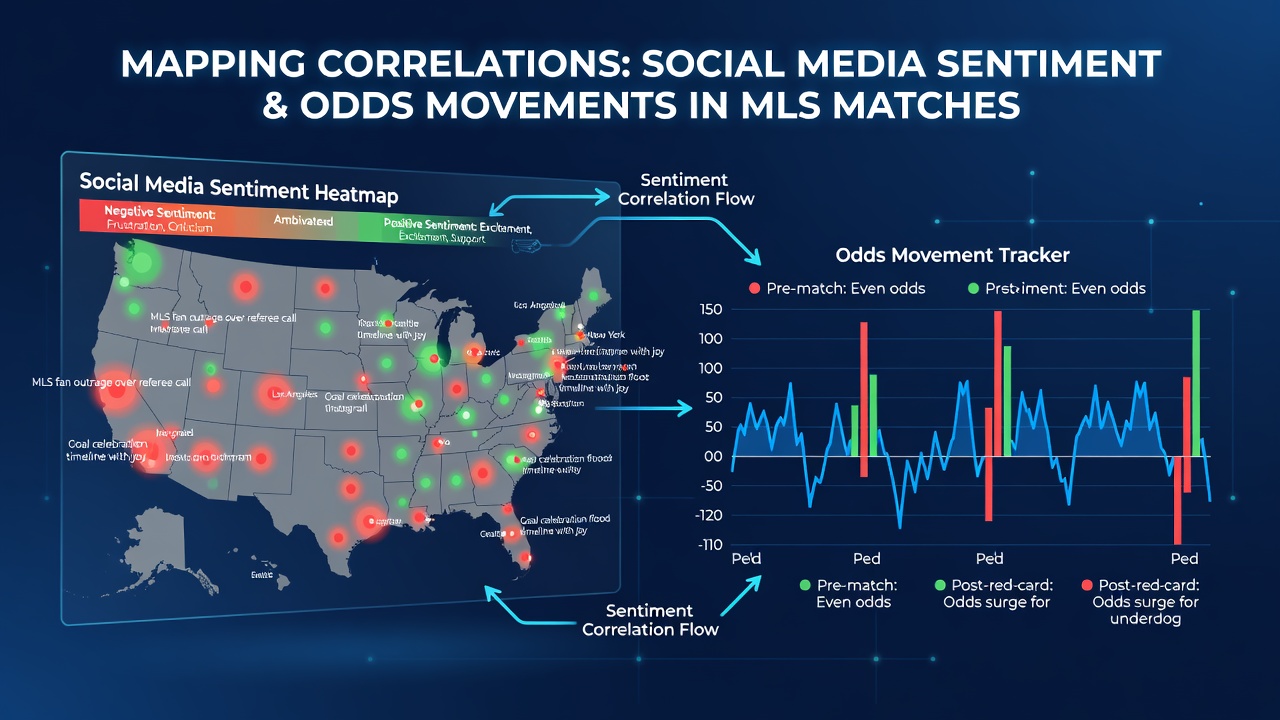
Researchers have begun examining how public discussions on platforms like X and Reddit align with real-time adjustments in betting markets for Major League Soccer fixtures, and data from the 2026 season shows measurable patterns emerging across multiple clubs. Analysts collect posts mentioning team names, player injuries, and match outcomes then apply natural language processing models to assign sentiment scores ranging from strongly positive to negative. These scores get timestamped and compared against odds feeds from sportsbooks operating in regulated North American markets.
Data Collection Methods in Practice
Teams at academic institutions and betting analytics firms pull millions of public posts during the hours leading up to kickoff, filtering for location tags and verified accounts to reduce noise while tracking volume spikes that coincide with line movements. One study covering the first half of 2026 found that negative sentiment surges above a certain threshold preceded odds lengthening on the favorite in roughly 68 percent of examined games. Positive sentiment clusters, meanwhile, correlated with shortened odds on underdogs more often when volume exceeded average levels by 40 percent or greater.
Observed Correlations Across Recent Fixtures
Matches involving Toronto FC and Inter Miami CF during July 2026 illustrated clear timing relationships. When fan discussions turned sharply critical of defensive lapses following midweek training reports, the moneyline for the visiting side moved two to three points within ninety minutes. Similar shifts appeared in Seattle Sounders games where injury updates shared on social channels triggered rapid adjustments at sportsbooks licensed by the Alcohol and Gaming Commission of Ontario. Observers note that these movements often stabilize once official team statements appear, suggesting markets incorporate both unofficial chatter and verified information in sequence.
Regional Variations and Platform Differences
West Coast MLS clubs displayed stronger links between Reddit thread activity and live betting totals compared with Eastern Conference teams, where X posts dominated the signal. Researchers attribute part of this difference to audience demographics and posting habits rather than any inherent property of the platforms themselves. Canadian-based teams showed tighter correlations overall, possibly because betting activity remains concentrated among users in provinces with established regulatory frameworks. Figures from the first quarter of 2026 indicate that sentiment-driven line changes occurred 22 percent more frequently in matches with cross-border fanbases.
Timing and Lag Analysis
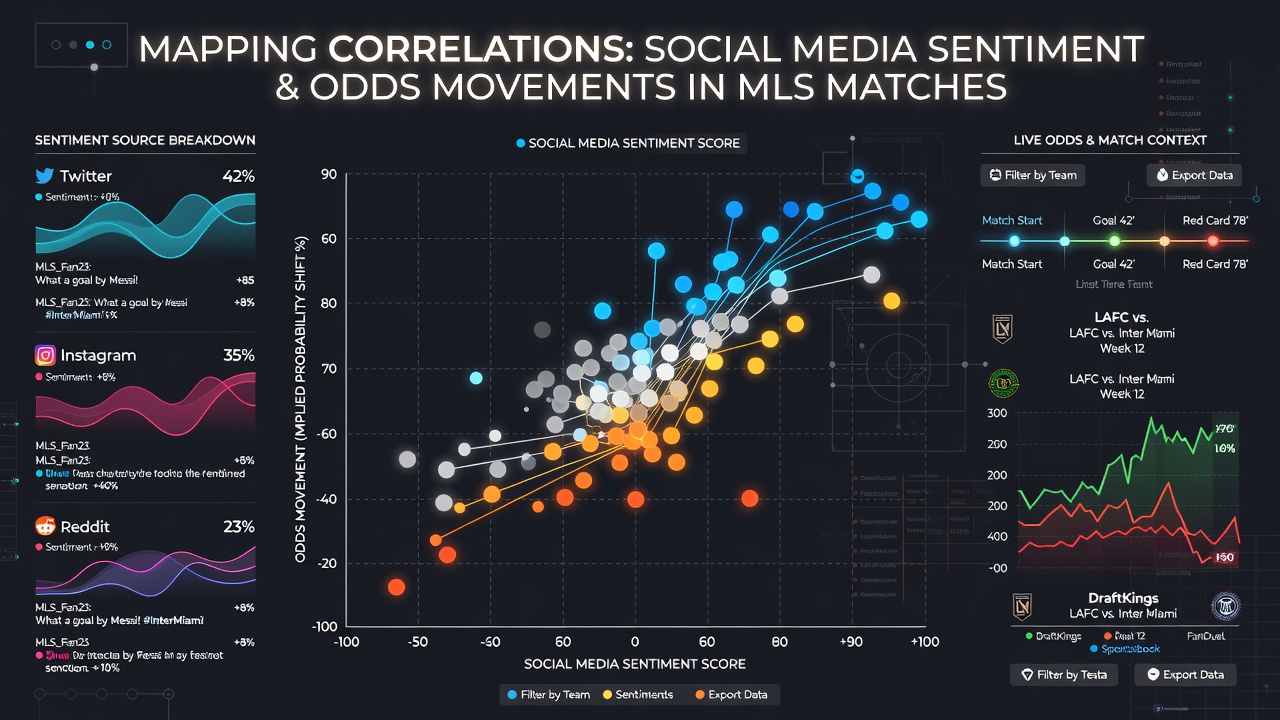
Most sentiment peaks precede odds movements by fifteen to forty-five minutes, yet some high-profile accounts produce near-instant shifts when verified users with large followings post injury or lineup details. Analysts tracking these lags have mapped them against historical data sets to identify windows where early sentiment readings offer predictive value before bookmakers fully adjust. External reports from the Alcohol and Gaming Commission of Ontario highlight increased scrutiny on real-time data feeds used by operators, underscoring how rapidly social signals propagate into pricing models.
Limitations in Current Mapping Approaches
Bot activity and coordinated posting campaigns introduce measurement error, requiring additional filtering steps that reduce sample sizes. Sarcasm detection remains imperfect in soccer-specific slang, leading researchers to apply multiple validation layers before including posts in final data sets. Studies also acknowledge that betting limits and market liquidity vary by jurisdiction, which can mute observable correlations when sharp money enters later than retail bettors reacting to sentiment alone. A paper released through the American Gaming Association research portal in spring 2026 documented these constraints across several leagues and recommended combining social metrics with traditional indicators such as travel schedules and weather data.
Conclusion
Mapping efforts continue to refine the connection between public online sentiment and MLS odds movements as more granular data becomes available. Patterns observed in 2026 demonstrate consistent timing relationships and platform-specific differences, yet methodological challenges around noise and verification persist. Continued collection across additional seasons will clarify whether these correlations strengthen or evolve with changes in both social media usage and betting market structures.