U.S. Sports Betting Industry Faces Scrutiny Over Expansion and Consumer Risks in 2026
David Russell · Aug 16, 2026
U.S. Sports Betting Industry Faces Scrutiny Over Expansion and Consumer Risks in 2026
The opinion and analysis piece published on Covers examines the U.S. sports betting sector as it reaches new heights in 2026, with record handles reflecting sustained expansion while accessibility features draw both praise and concern from various stakeholders.
Record Handles Signal Continued Expansion
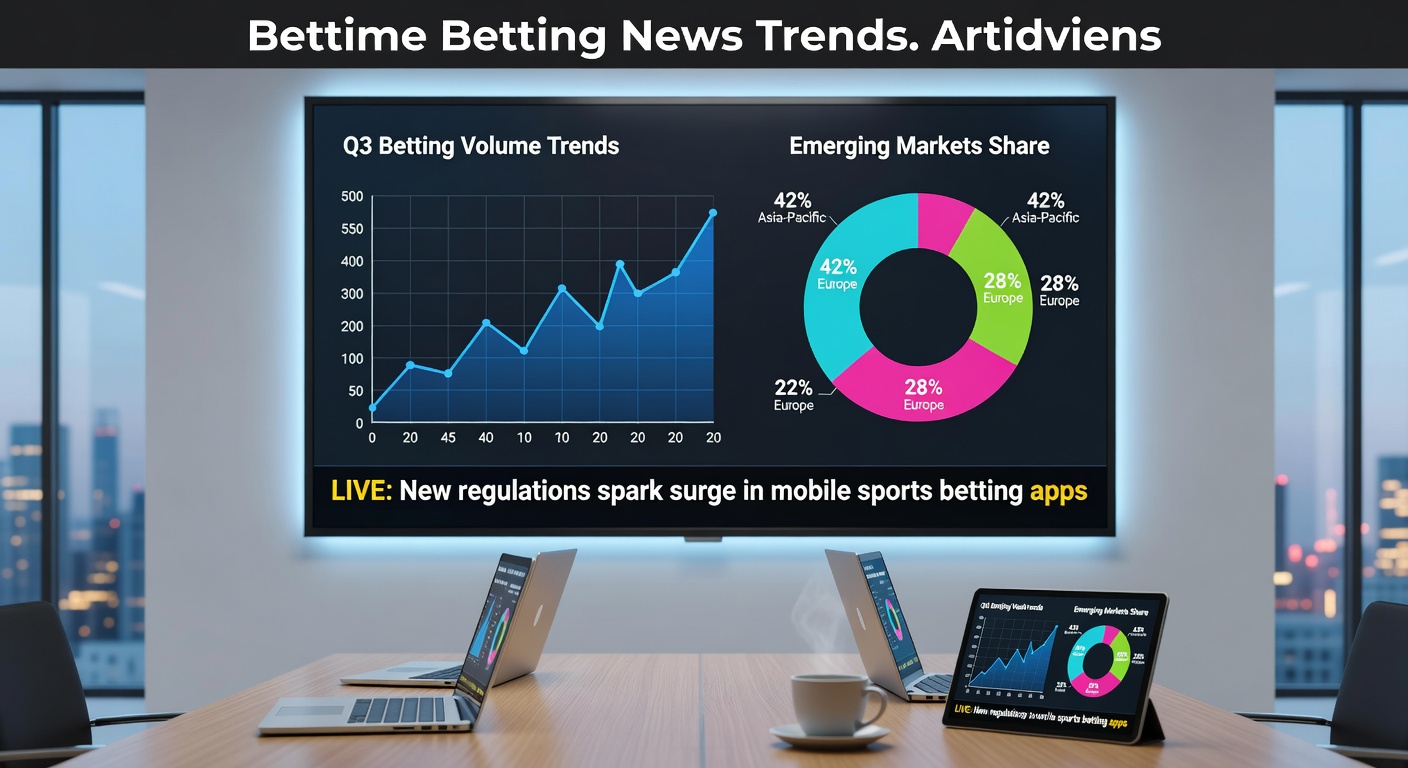
Analysts tracking the sector note that betting volumes have climbed steadily through the first half of the year, driven by widespread legalization across states and the integration of mobile platforms that simplify participation for users who choose to engage. Data from industry reports indicate that total handles have surpassed previous benchmarks, creating an environment where operators report robust activity even as market saturation begins to appear in certain regions.
Observers point out that this growth coincides with August 2026 figures showing no immediate slowdown, and the piece connects these numbers directly to broader economic contributions from the industry while acknowledging that the same metrics also highlight where problems may concentrate among specific user groups.
Accessibility Features Benefit Some Participants
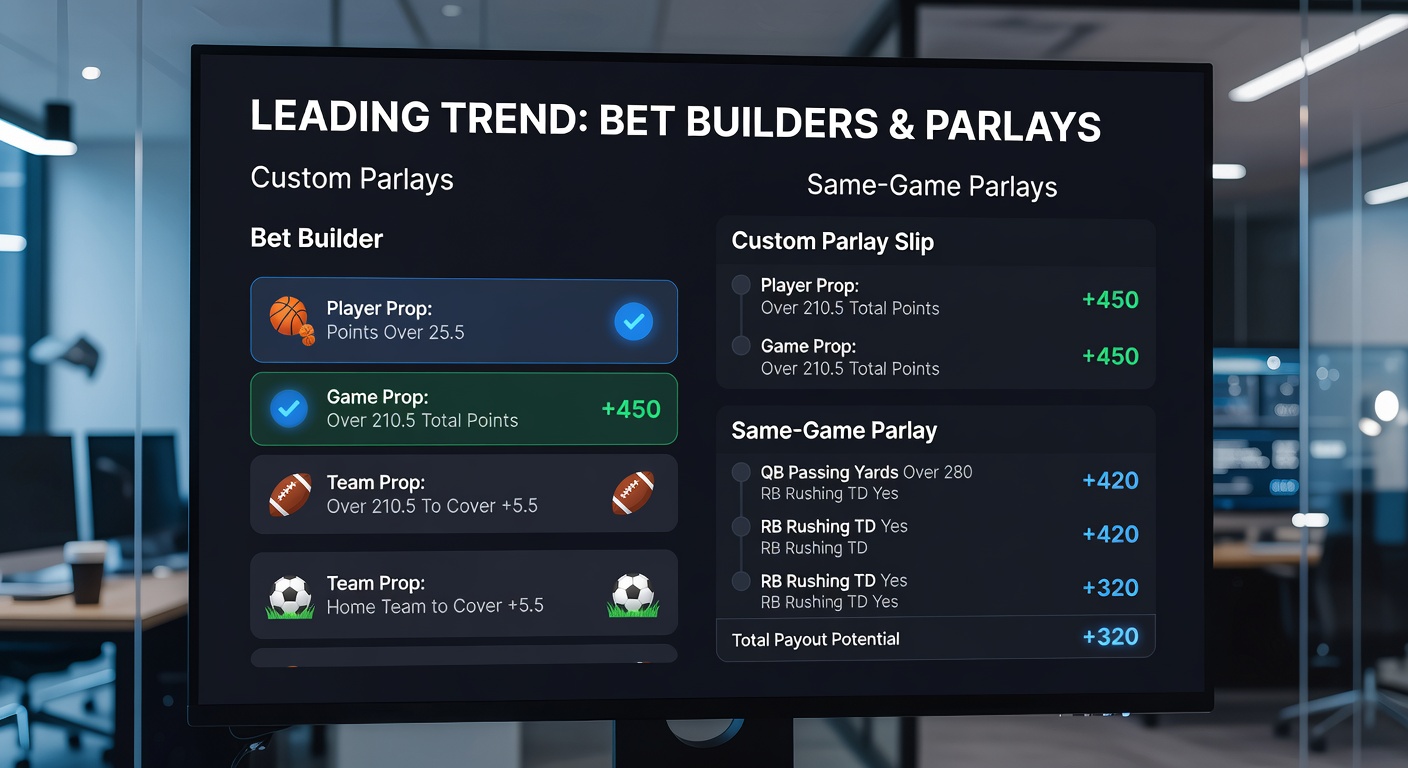
The analysis highlights how apps and websites now offer streamlined sign-up processes, real-time odds updates, and promotional tools that lower barriers for new and returning bettors. These developments allow individuals in legal markets to place wagers quickly and track outcomes across multiple sports, which the piece presents as a primary driver behind rising participation rates.
Yet the same accessibility that supports convenience also receives attention for its potential to intensify engagement levels, and the article connects these design choices to ongoing conversations about responsible use without assigning judgments.
Harms and Addiction Issues Enter the Spotlight
Research cited in the piece shows that addiction-related challenges persist even as overall participation grows, with studies from academic institutions and health organizations documenting elevated risks for certain demographics. The analysis notes that while many users manage their activity without incident, others encounter difficulties that prompt calls for additional safeguards.
Those who've examined the data observe that problem gambling indicators have prompted regulatory bodies in multiple states to request more detailed reporting from operators, and the piece frames these developments as part of a larger debate rather than isolated events.
FanDuel VIP Programs Draw Attention
Recent controversies surrounding FanDuel’s VIP programs receive direct mention in the analysis, where the piece describes how targeted incentives for high-volume users have raised questions about whether such offerings adequately balance commercial objectives with consumer protection standards. The discussion ties these programs to broader patterns of engagement that some health advocates flag as areas requiring closer review.
According to information referenced in the article, state regulators have begun examining these initiatives more closely, and the piece presents this scrutiny as an example of how industry practices intersect with public health considerations in real time.
Regulatory Scrutiny Continues Amid Growth
The analysis connects record handles to increased oversight from state gaming commissions and federal observers who track compliance and consumer outcomes across jurisdictions. Reports from organizations such as the National Council on Problem Gambling supply context on addiction trends, while research from Canadian institutions adds comparative perspectives on similar market expansions north of the border.
Regulatory discussions in August 2026 focus on refining rules around marketing practices and data transparency, and the piece notes that these conversations remain active as lawmakers weigh the benefits of tax revenue against documented social costs.
Conclusion
The Covers analysis ultimately presents the 2026 U.S. sports betting landscape as one defined by simultaneous expansion and debate, where accessibility tools coexist with recognized harms and where FanDuel’s VIP programs serve as one focal point in wider regulatory examinations. Figures from multiple sources show continued handle growth alongside calls for measured responses, and the piece leaves readers with an overview of how these elements shape the current environment without prescribing specific paths forward.