Virtual Reality Training Systems Reshape Athlete Preparation and Alter Dynamics in Performance Wagering Markets
Rosa Vogel · Jul 22, 2026
Virtual Reality Training Systems Reshape Athlete Preparation and Alter Dynamics in Performance Wagering Markets
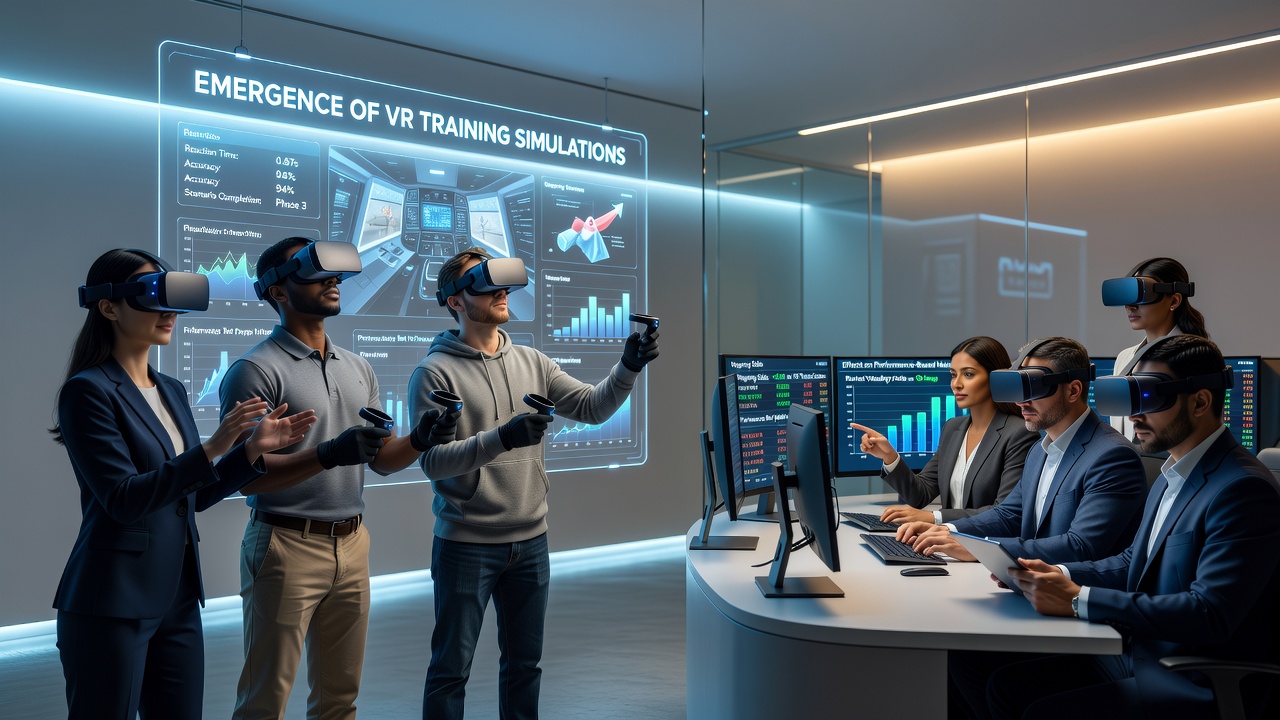
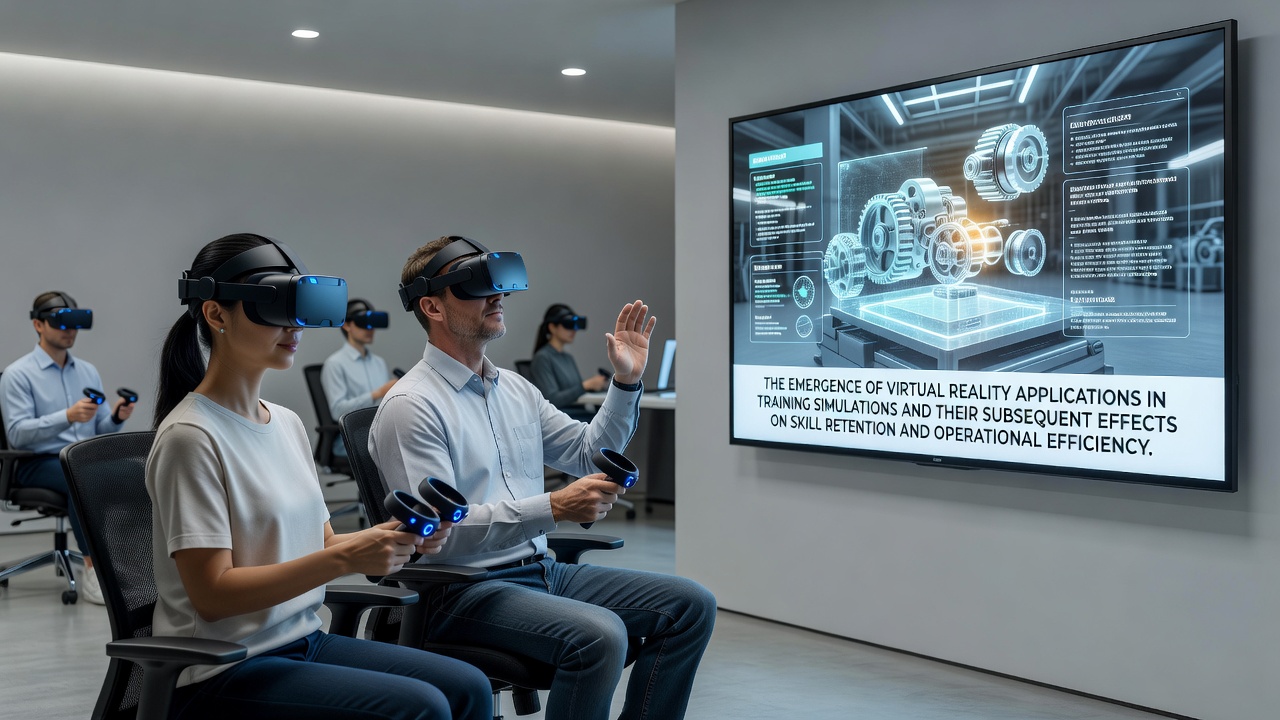
Virtual reality applications have expanded rapidly in sports training environments since the mid-2020s, with professional leagues and training academies adopting immersive simulations to refine decision-making, reaction times, and tactical awareness. These systems place athletes in digitally recreated scenarios that mirror real-game conditions without physical contact risks, and data from multiple team implementations show measurable gains in specific performance metrics. By July 2026 several North American and European clubs reported integrating VR modules into weekly routines, particularly in high-contact sports where repetition of high-stakes situations improves pattern recognition.
Development of VR Training Platforms
Early commercial VR training tools focused on individual skill drills, yet later iterations incorporated team-based scenarios with live data feeds from wearable sensors. Engineers combined motion-capture technology with predictive algorithms so that virtual opponents adjust behavior based on an athlete's historical tendencies. Research conducted at institutions in Canada and Australia documented average improvements of 12 to 18 percent in reaction accuracy after eight weeks of structured VR sessions, with the largest gains appearing among younger players still developing core decision frameworks.
Hardware costs declined steadily through 2025, allowing mid-tier organizations to deploy headsets alongside existing video analysis suites. Software updates introduced weather-variable environments and crowd-noise layers that replicate stadium conditions, further narrowing the gap between practice and competition settings. Observers note that these refinements coincided with broader adoption of performance-tracking standards across major leagues, creating datasets that both coaches and external analysts could reference when evaluating player readiness.
Measured Performance Outcomes
Teams that integrated VR reported shifts in key statistics such as pass completion under pressure, defensive positioning errors, and penalty conversion rates. One longitudinal study tracking European football academies found that players completing at least three VR sessions per week posted fewer turnovers in match simulations compared with control groups relying solely on traditional drills. Similar patterns emerged in basketball, where virtual defensive schemes helped perimeter players reduce foul rates during late-game scenarios.
These outcomes stem from the ability to repeat specific moments thousands of times with immediate feedback on biomechanics and visual attention. Because sessions occur in controlled digital spaces, athletes accumulate experience without accumulating physical fatigue, a factor researchers link to sustained performance across congested schedules. Figures released by sports technology firms indicate that clubs using VR reported a 7 percent reduction in soft-tissue injuries during the 2025-2026 season, though causation remains under ongoing review.
Influence on Wagering Market Structures
Performance-based wagering markets have adjusted as improved preparation methods alter expected outcomes. Bookmakers and prediction platforms now incorporate VR participation rates into proprietary models when setting opening lines for player props and team totals. Markets tied to individual efficiency metrics, such as quarterback completion percentage above certain thresholds or striker shot accuracy, reflect narrower spreads in some cases because training data suggest greater consistency.
According to reports from the American Gaming Association, operators observed increased volume in live betting segments during matches featuring teams with documented VR programs, as bettors seek to capitalize on perceived edges in real time. Prediction markets operated by independent platforms have introduced new contract types that reference training technology adoption, allowing participants to wager on future performance deltas rather than single-game results alone. Data from Canadian regulatory filings show that these specialized contracts accounted for roughly 4 percent of total sports handle in the first half of 2026, up from negligible levels two years earlier.
Market makers have responded by tightening limits on certain prop categories while expanding offerings around aggregate statistics less directly influenced by simulation training. Analysts at European betting exchanges note that volatility in live odds decreased slightly for teams with advanced VR integration, because pre-match modeling already priced in expected efficiency gains. This adjustment pattern appears most pronounced in leagues that publish anonymized training logs, enabling external models to factor VR exposure into projections.
Regulatory and Data Considerations
Gaming authorities in multiple jurisdictions have begun reviewing how training technology data intersect with integrity standards. The Australian Gambling Regulation Authority issued guidance in early 2026 requiring operators to disclose when performance models incorporate non-public training information. Similar discussions surfaced in North American regulatory forums, focusing on transparency around data sources that influence odds compilation. These steps aim to maintain market fairness while allowing continued innovation in simulation tools.
Conclusion
Virtual reality training continues to evolve alongside advances in sensor accuracy and rendering speed, producing datasets that feed both coaching decisions and external forecasting systems. Performance improvements documented across several sports have prompted measurable recalibrations in wagering markets, particularly for efficiency-based propositions. As adoption widens and regulatory frameworks mature, the interplay between simulation-derived preparation and performance pricing will likely generate additional contract variations and analytical approaches through the remainder of 2026 and beyond.