Wearable Tech Data Streams Reshaping Live NFL and NBA Betting Market Movements
Hugo Russell · Jul 15, 2026
Wearable Tech Data Streams Reshaping Live NFL and NBA Betting Market Movements
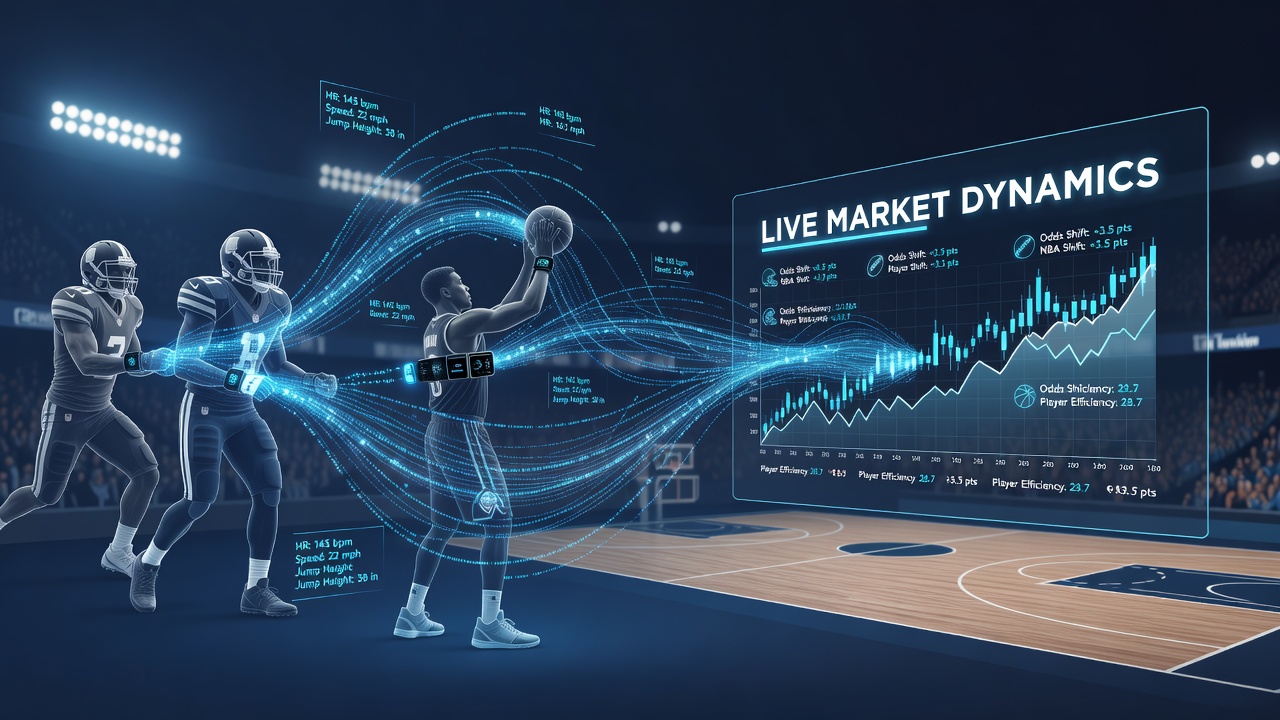
Professional sports leagues have integrated wearable sensors into player monitoring programs for years, and these devices now generate continuous streams of biometric and movement data that reach betting markets in real time. Teams outfit athletes with GPS units, heart-rate monitors, and accelerometers during practices and games, while the resulting metrics on workload, fatigue, and recovery patterns feed into analytical models used by oddsmakers and traders.
Player Tracking Systems and Data Collection Methods
The NFL and NBA employ standardized tracking platforms that record speed, distance covered, acceleration rates, and positional data multiple times per second. These systems operate alongside medical-grade wearables that capture heart-rate variability and estimated energy expenditure, creating layered datasets that update throughout contests. In July 2026, league partnerships with technology providers expanded the frequency of data feeds available to authorized analytics groups, allowing faster incorporation of live metrics into pricing algorithms.
Real-Time Integration into Live Betting Platforms
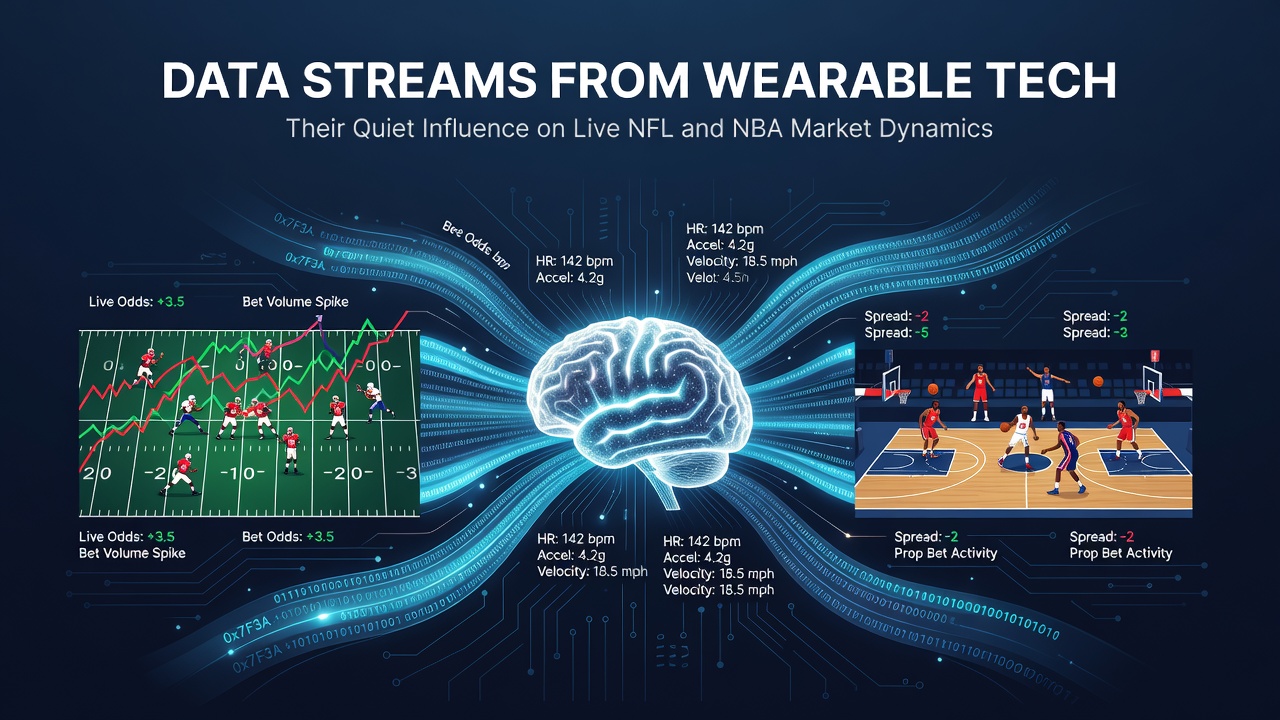
Bookmakers and trading desks receive anonymized aggregates derived from these streams through licensed data vendors, and they adjust spreads and totals within minutes when workload spikes signal elevated injury risk or reduced output. For instance, elevated heart-rate thresholds sustained over multiple possessions in NBA games have correlated with drops in shooting efficiency, prompting immediate line movements on player props and team totals. Similar patterns appear in NFL contests when cumulative acceleration loads exceed historical averages for a given position group, leading to shifts in second-half point spreads.
Impact on Specific Market Segments
Live betting volumes on player performance props have grown in tandem with the availability of granular tracking information. Bettors monitoring public feeds notice rapid adjustments to over-under lines on assists or rushing yards when sensor data indicates a starter has already surpassed typical snap counts or distance thresholds. Observers note that NBA fourth-quarter totals often tighten after early-game load metrics reveal starters operating above baseline fatigue levels, while NFL totals on rushing attempts respond to first-half acceleration data that deviates from seasonal norms.
Regulatory and League Data Policies
League offices maintain strict controls on the distribution of raw sensor information to preserve competitive balance and player privacy. Authorized third-party processors convert individual readings into team-level summaries before release to betting operators, and these summaries undergo compliance checks outlined in agreements with state gaming commissions across multiple U.S. jurisdictions. Reports from the National Sports Gaming Association document steady increases in the number of approved data recipients between 2024 and 2026, reflecting expanded market participation while maintaining standardized latency requirements.
Academic and Industry Research Findings
Studies conducted by university sports science departments have examined correlations between wearable-derived fatigue scores and subsequent performance outcomes across large samples of regular-season games. Research published through the International Journal of Sports Physiology and Performance identified measurable declines in high-intensity movement after certain cumulative load thresholds, and these findings have informed the statistical models used by professional analytics firms. Industry reports from the Sports Analytics Institute in Canada further quantify how early-game workload deviations translate into second-half scoring adjustments at the aggregate level.
Future Developments in Data Latency and Market Responsiveness
Technology vendors continue to reduce transmission delays between sideline sensors and centralized databases, and shorter latencies allow markets to incorporate workload updates even earlier in game progression. League testing programs scheduled through late 2026 evaluate new sensor generations capable of streaming additional physiological markers, which could refine the precision of fatigue-based adjustments in live odds. Those who have studied these systems note that incremental improvements in data granularity tend to produce correspondingly finer movements in prop markets rather than wholesale shifts in game totals.
Conclusion
Wearable technology continues to supply detailed performance streams that reach live NFL and NBA betting platforms through controlled channels, influencing line adjustments on totals, spreads, and player props. As sensor capabilities advance and data policies evolve, the connection between on-field biometric readings and market pricing remains a measurable component of real-time wagering dynamics.